Boosting Your Organic Reach with Merch Informer’s Keyword Finder
Amazon on Demand is massively competitive, and your organic ranking hinges on precision keyword use. The Merch Informer Keyword Finder is your secret weapon—it goes beyond guesswork to provide real, high-converting keyword insights. This post covers how to harness it to elevate visibility across your T‑shirts, hoodies, mugs, PopSockets, tote bags, and more.
1. Why Keywords Drive Amazon Success
On Amazon, keywords = discoverability. Whether someone types “funny cat mug” or “dog dad hoodie,” they’ll only find you if your listing matches those terms. But it’s not just about volume—it’s about finding the sweet spot: keywords with enough searches to be valuable but not so much competition that you never rank.
Merch Informer gives you:
- Amazon search volume for each phrase
- Competition scoring (A–F)
- Trend data
- Trademark checks
- Instant status per product category
By strategically embedding these keywords across all your Amazon on Demand products, you can boost organic reach and tap deeper into Amazon shoppers.
2. How to Launch Keyword Finder
- Log in to Merch Informer
- Navigate to Keyword Tool → Keyword Finder.
- Choose Marketplace (US/UK/DE, etc.).
- Select Product Category: T‑shirt, Hoodie, Mug, Tote Bag, PopSocket.
- Enter your seed keyword, like “coffee lover”.
- Click Search and wait for results (takes 5–10 seconds).
You’ll see two tables:

- Left: Amazon keyword variants with search volume, and red Ω for trademarks.
- Right: Google volume and estimated CPC, if your plan includes it.
Important note: prioritize Amazon volume and competition grade over Google data for on‑platform success.
3. Analyzing Keyword Results
Key Columns
- Keyword – the phrase
- Amazon Volume – monthly search count
- Competition (A–F) – difficulty level
- Recent Trends – direction of search interest
- Trademark Status – avoid infringing phrases
Strategy in Action
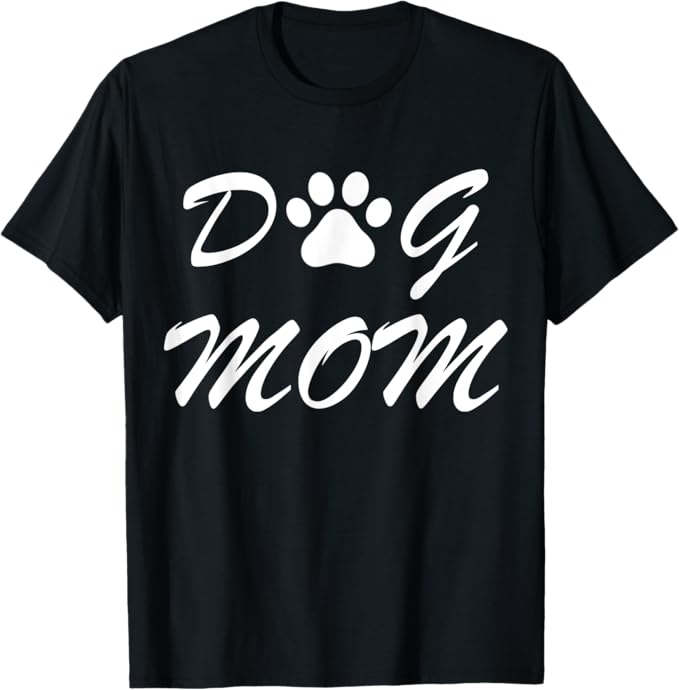
Example: seed with “dog mom”
Result:
- “dog mom gift mug”: 3,200 volume, C competition
- “dog mom t shirt”: 5,800 volume, B
- “dog mom sweatshirt”: 1,200 volume, A
- “dog mom popsockets”: 700 volume, A+
Plan your product mix:
- Use high-volume A/B keywords for the products
- Skip or use cautiously C+ competition phrases
- Always check for trademark flags
4. Steps to Boost Organic Reach
Step 1: Compile Seed Keywords
Write 5–10 core ideas (e.g., “cat dad”, “garden enthusiast”). Choose one and run it in Keyword Finder.
Step 2: Add to Favorites
Click the ❤ icon next to your favorite keywords. Use the “Add to Favorites” button to stash them.
Organize by theme or product type (e.g., “Coffee Gifts”, “Fitness Hoodies”).
Step 3: Check Trademarks
Featured in Keyword Finder’s “Actions” column via checking against USPTO. Remove flagged keywords.
Step 4: Build Title, Tags & Description
For each product, insert a variant-long-tail keyword:
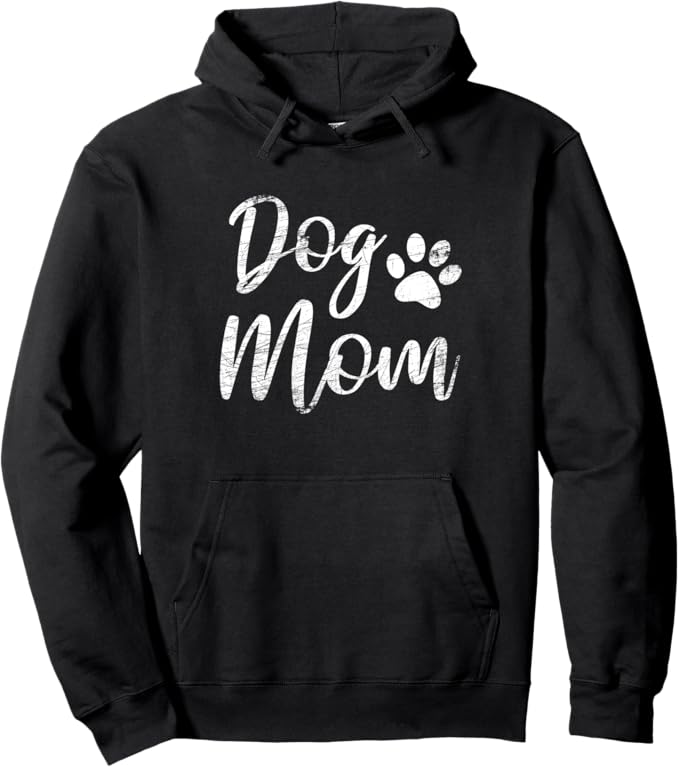
- T‑shirt: title = “Funny Dog Mom T-Shirt – Gift for Women”
- Mug: title = “Dog Mom Gift Mug – 11oz Ceramic Coffee Cup”
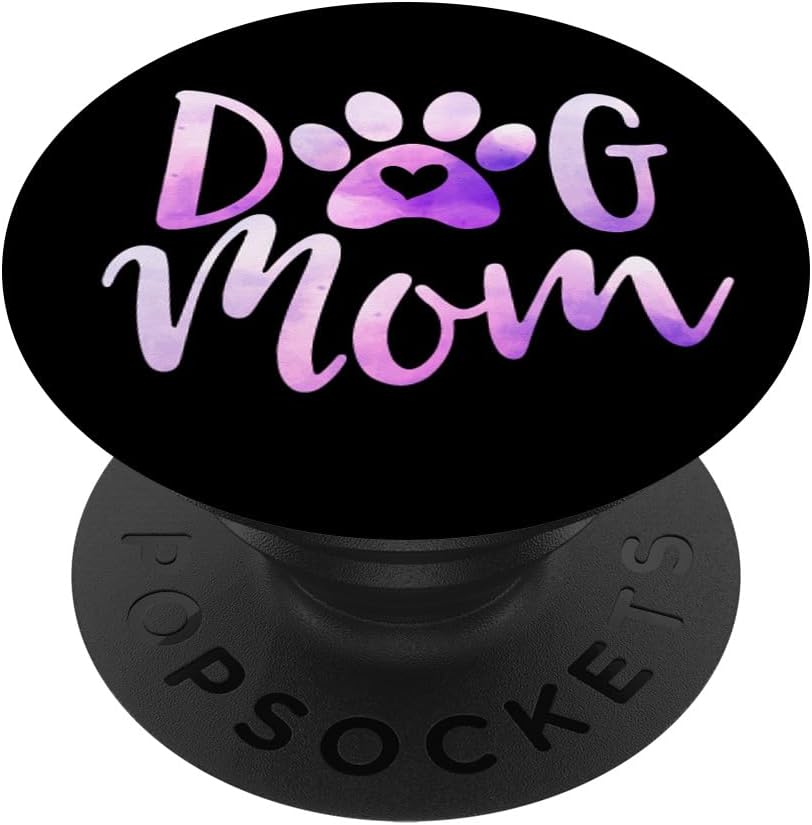
- PopSocket: “Dog Mom PopSocket Grip for Phone”
Add secondary keywords to bullet points and product description.
Step 5: Expand and Rotate
Monthly, revisit top 10 favorites:
- Run again to catch new seasonal variants
- Add trending keywords like “October” or “holidays”
- Repeat for each product category
5. Product-Specific Strategies
T‑Shirts & Hoodies
- Use high-volume phrases like “dog mom t shirt”.
- Secondary tags: “pet owner gift”, “motherhood gift”.
Mugs
- Combine intent: “dog mom gift mug”, “cat dad coffee mug”.
Tote Bags
- Use “dog mom tote bag”—often less competitive than clothing.
PopSockets
- Low competition but rising demand. Seed keywords: “dog mom phone grip”.
Throw Pillows
- Add decorative spin: “dog mom pillow cover”, “cute pet cushion”.
Tip: Run separate searches per product type—results differ by category. merchinformer.com+3merchinformer.com+3youtube.com+3merchinformer.com
6. Trend & Seasonal Keyword Tactics
Keyword Finder includes trend graphs: spot rising terms like “sunflower tote 2025” or “Easter coffee mug”.
Check their trend and test entries in favorites.
- July: add “4th of July tee”
- September: test “back to school hoodie”
- November: “Thanksgiving coffee mug”
Pre-upload seasonal products 4–6 weeks before peak for prime listing time.
7. Monitoring and Threading Keywords
Use the Favorites Manager to revisit 100+ saved keywords.
Organize into categories like Year‑Round vs Seasonal.
Regularly sync with Listing Creator to ensure your live listings cover all saved power keywords.
8. Real Example Workflow
Walkthrough example with “cat mom”:
- Seed search → “cat mom shirt” (6,000 volume, B)
- Add variations: “cat mom sweatshirt”, “cat mom coffee mug”
- Build CSV for bulk upload of five products
- Use Keyword Finder insights in Listing Creator for titles/tags/descriptions
- Launch collection
- Monitor Amazon listing view/impressions
- Rerun Keyword Finder monthly, refine tags
Result: combined reach across product types expands keyword exposure, doubles visibility in Amazon searches.
9. Troubleshooting & Best Practices
- Avoid low-volume jargon—stick to Amazon volume >500/month.
- Label and save keywords by product type and season.
- Use complex phrase combos (e.g., “funny cat mom tote”) for cross-product relevance.
- Keep an eye on new trend phrases via Keyword Cloud or Trending Phrases tool.
10. Final Take & Action Steps
Your path to improved organic reach across Amazon on Demand begins with strategic keywords powered by Merch Informer.
Master the Keyword Finder:
- Seed relevant ideas
- Analyze volume + competition
- Save smart keywords for each product
- Apply to titles, tags, descriptions
- Rotate seasonally and monitor performance
That structured approach turns tools into sales—across T‑shirts, mugs, hoodies, tote bags, and PopSockets—giving you organic visibility and sustained profits.
Conclusion:
In the fast-paced world of Amazon on Demand, staying ahead of keyword trends isn’t just smart—it’s essential. Merch Informer’s Keyword Finder transforms guesswork into strategy, helping you unlock the exact language shoppers are using across a variety of products. Whether you’re designing mugs, tote bags, or hoodies, aligning your listings with the right search terms is the key to consistent organic traffic and sales. By using this tool regularly, rotating in seasonal phrases, and testing performance across your catalog, you’ll build a strong, data-backed keyword foundation that scales as your business grows. So start mining those keywords—and watch your reach rise with every listing.