The “Hero Product” Strategy: Pick One Anchor Product Per Niche
Most POD sellers don’t struggle because they can’t come up with ideas. They struggle because they come up with too many—spread across too many products, too many niches, too many “maybe this will work” experiments.
That’s where the Hero Product strategy saves your sanity.
A hero product is the one product format that best fits a niche’s buying behavior—the one thing that becomes your anchor. Once you pick it, everything else becomes easier: your design decisions, your mockups, your listing language, even your product expansion.
Think of it like casting a movie. You can have a great supporting cast, but you need one lead role that carries the story.
Why a hero product works
Because every niche has a “default buy.”
Not the only thing they buy—but the thing they buy fast, with the least hesitation.
When you pick the wrong anchor product, you’re fighting uphill:
- the niche doesn’t naturally buy that format
- the price point feels wrong
- the product doesn’t match how they use or gift things
- your listing has to “convince” instead of simply fitting
When you pick the right hero product, buyers feel instant recognition:
“Oh, that’s perfect for me / them.”
The Hero Product Test
Pick your niche and answer three questions:
- Is this purchase mostly for self, gift, or identity?
- Do they want it public, semi-private, or home/private?
- Do they want it functional, decorative, or emotional?
Now match product format to those answers.
- Public identity → tees, hoodies, hats
- Semi-private identity → totes, stickers, phone cases
- Home/private ritual → mugs, tumblers, blankets, pillows
- Decor mood → posters, prints, wall art
- Functional habit → notebooks, calendars, desk items (if available)
Niche examples:
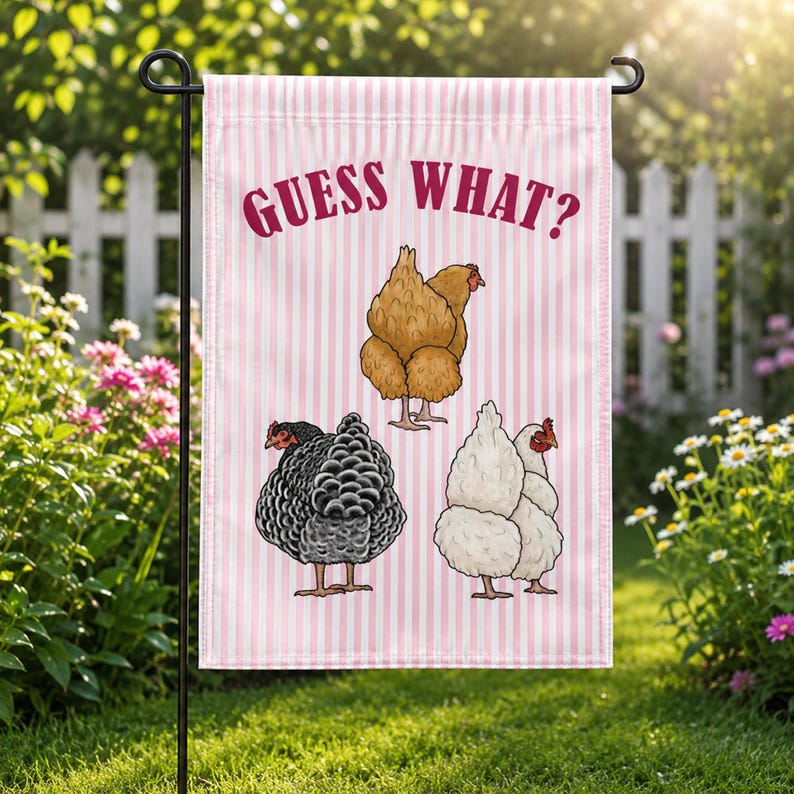
1) Gardeners and plant people → Garden flag (hero) or tote
Why it fits: garden folks love “home + identity” that lives outside, and flags are a low-commitment statement piece. If flags aren’t in your provider’s catalog, go tote as the anchor.
Supporting products: stickers, mugs, aprons.
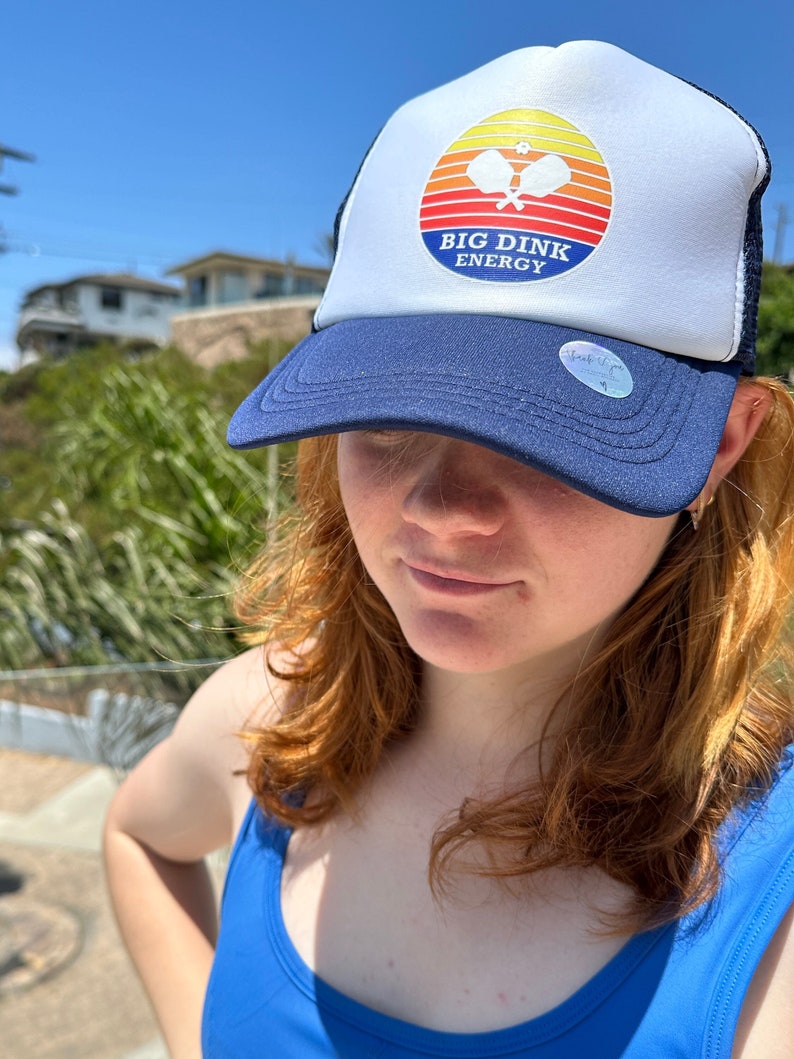
2) Pickleball culture → Performance tee or hat
Why it fits: this is a public identity + community sport. People love wearing it to games.
Supporting products: stickers, water bottles/tumblers, towels.
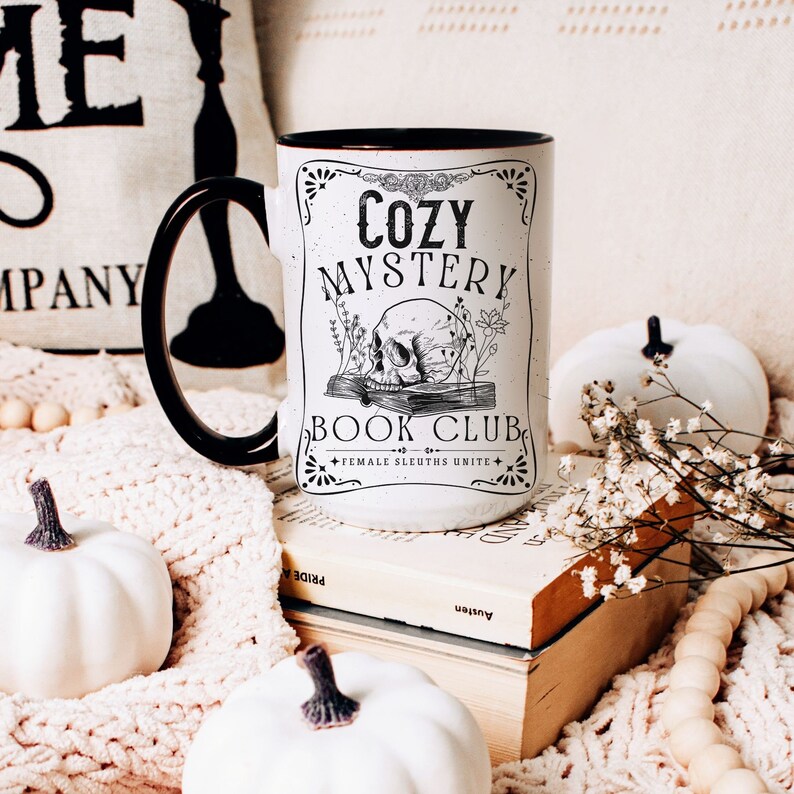
3) Book clubs / “cozy reader” crowd → Mug (hero)
Why it fits: private ritual + repeat use. This niche buys mugs like they’re emotional support equipment.
Supporting products: tote, sticker, bookmark (if offered), sweatshirt.
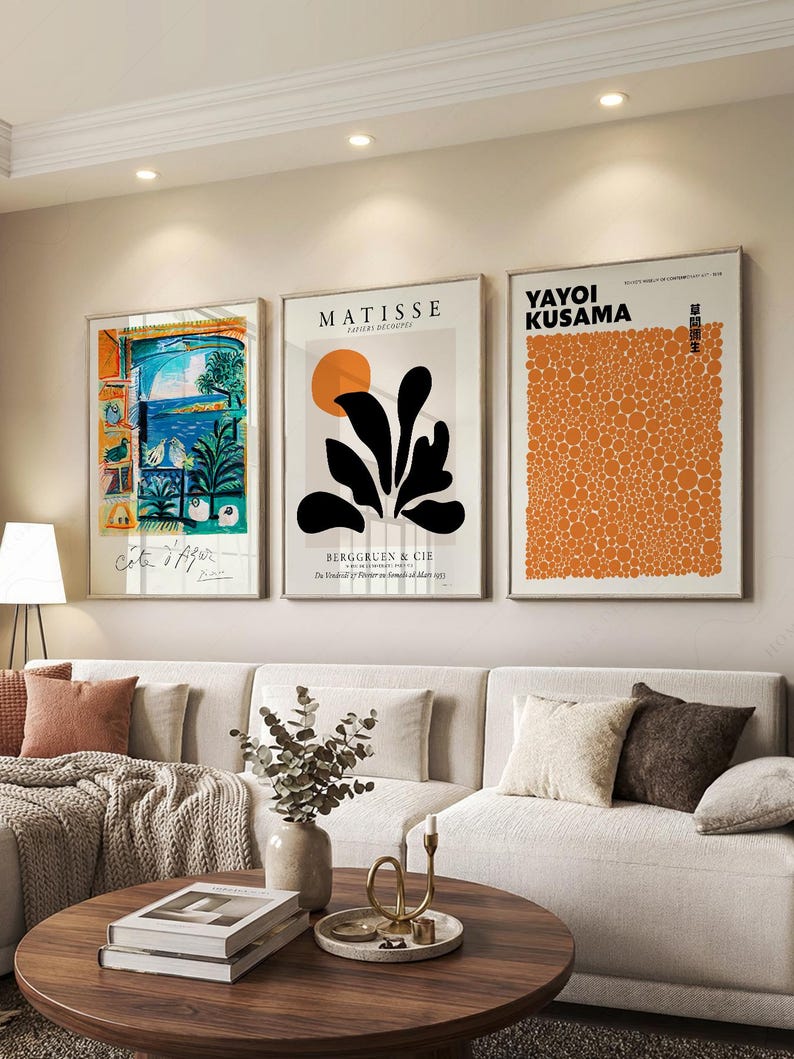
4) New homeowners / “nesting” buyers → Wall print set (hero)
Why it fits: decor mood + giftability (housewarming). Sets feel premium without being expensive.
Supporting products: kitchen towels, welcome mat (if offered), mugs.
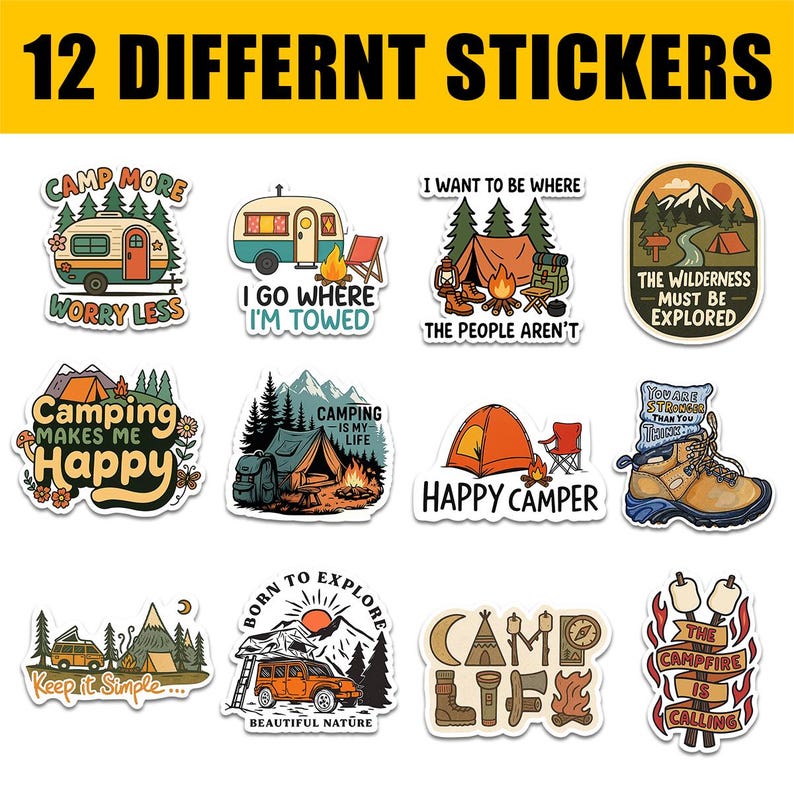
5) RV / vanlife / camping families → Sticker pack (hero)
Why it fits: semi-private/public identity that goes on gear and vehicles. Low price, high collectability.
Supporting products: hoodie, mug, hat.
6) Fitness classes (Pilates / spin / CrossFit humor) → Tank/tee (hero)
Why it fits: worn in the moment; tribe signaling.
Supporting products: water bottle/tumbler, towel, sticker.
7) “Office gremlins” (remote work + corporate humor) → Desk mug (hero)
Why it fits: home/private ritual + daily visibility in the workspace (and on Zoom).
Supporting products: mousepad (if available), sticker, notebook.
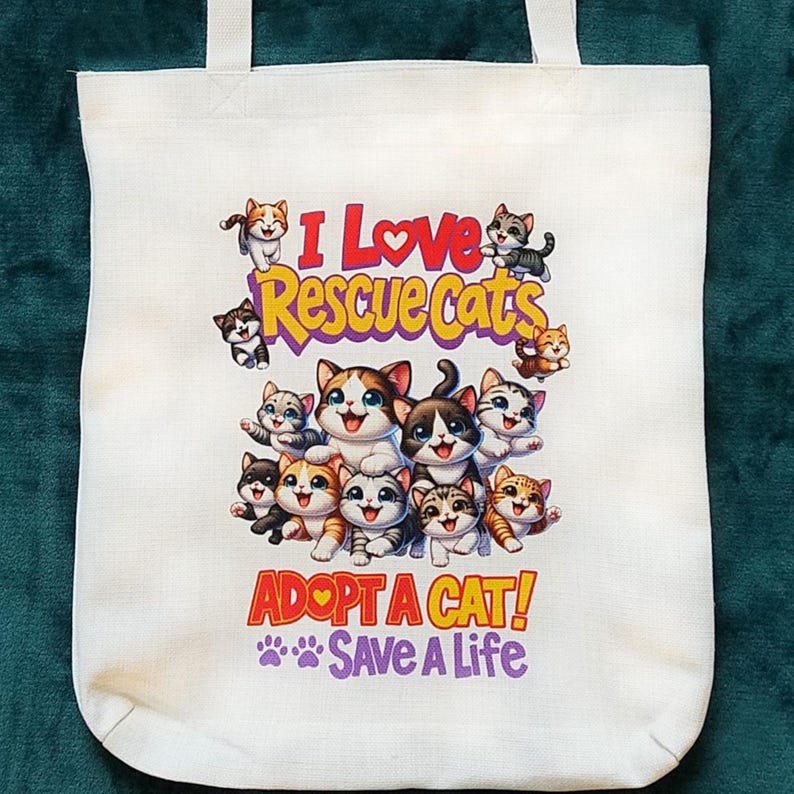
8) Pet niche (but fresh): Cat rescue / TNR community → Tote (hero)
Why it fits: functional + identity + community. These buyers carry supplies and love signaling their mission.
Supporting products: sticker, hoodie, mug.
Notice the pattern: hero products match how the niche already behaves. You’re not inventing new habits—you’re plugging into existing ones.
How to build around the hero product (without getting repetitive)
Once you pick the hero, build a small “hero ecosystem”:
- Hero product (your flagship listing)
- Two giftables (easy add-ons)
- One impulse add-on (sticker/small item)
- One premium upgrade (hoodie/blanket/set)
That’s a mini-catalog that feels like a brand.
And here’s the key: you don’t need 30 designs. You need 5–10 designs that look like they belong together.
Common mistakes (so you don’t sabotage the strategy)
- Choosing a hero product you personally like instead of what the niche buys
- Picking too many hero products at once (“my hero is mugs AND tees AND posters…”)
- Ignoring visibility level (public vs private)
- Skipping the “gift moment” (many niches are gift-driven more than you think)
- Launching scattered listings instead of a cohesive collection
Hero Product strategy works because it reduces decision fatigue—for you and the buyer.
Final thought
A hero product is the simplest way to stop feeling scattered.
Pick the one anchor format that best fits a niche’s buying mood, and build outward with intention. Suddenly you’re not “trying POD.” You’re building a catalog that makes sense.