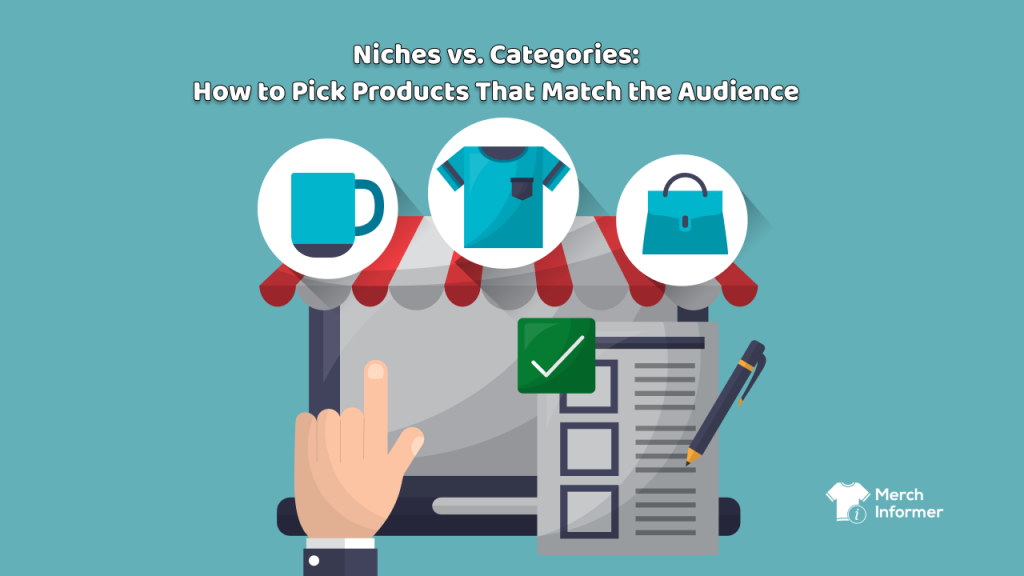
Niches vs. Categories: How to Pick Products That Match the Audience
One of the biggest mistakes people make in print-on-demand is thinking:
“If I pick the right product, it will sell.”
But POD doesn’t really work that way.
POD works when you match:
- the right audience
- with the right message / design vibe
- on the right product format
- in the right buying context
In other words: you don’t start with the product.
You start with the person.
That’s where the niche vs. category question becomes a superpower—because it’s the difference between building a random pile of listings and building a shop that actually makes sense.
Let’s break it down in plain English.
What’s a “category”?
A category is the thing.
Examples:
- t-shirts
- mugs
- hoodies
- tote bags
- posters
- stickers
- hats
- pillows
Categories are what POD platforms love to show you because categories are easy to browse. They’re also the first thing creators see, so creators often start there:
“Should I do mugs or shirts?”
That’s a normal question… but it’s not the best first question.
What’s a “niche”?
A niche is the person (or the tribe).
Examples:
- kindergarten teachers
- NICU nurses
- new moms
- book lovers
- cat people
- campers
- D&D players
- horror fans
- pickleball dads
- Taylor Swift-style “eras” fans (you get the idea)
A niche is defined by identity and community. Niches have inside jokes, shared values, and recognizable language.
When you target a niche well, your customer feels:
“This was made for me.”
That feeling sells faster than “nice design.”
The real trick: categories don’t buy. niches buy.
A category is not a customer.
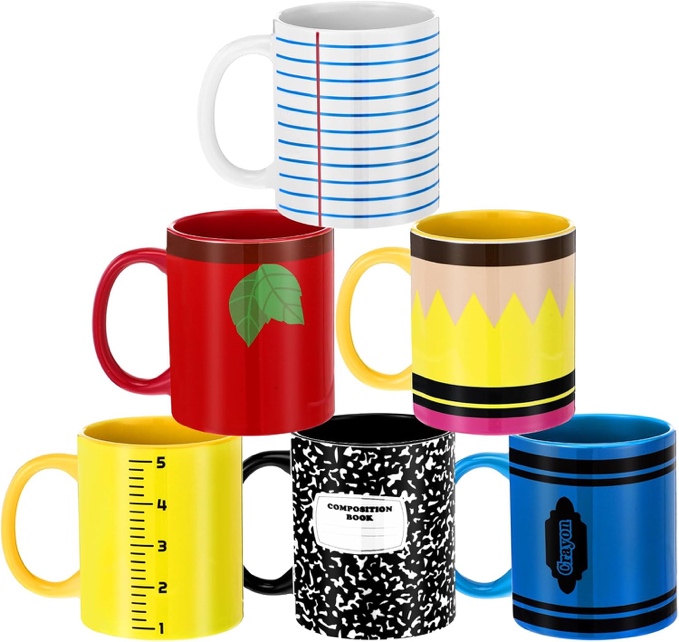
“Nobody is a mug.”
People buy mugs for reasons:
- gifts
- routines (coffee life)
- identity (“this is my personality on a cup”)
- workplace humor
- celebration moments
So the better question isn’t “what category should I sell?”
It’s:
“What does my niche buy—and why?”
How to choose products that match an audience (the simple method)
Here’s a clean, repeatable method you can use for almost any niche.
Step 1: Identify how your niche spends money
Different niches spend differently.
Some niches are gift-heavy:
- teachers
- nurses
- grandparents
- new parents
Some are identity-heavy:
- fandoms
- hobbies
- lifestyle tribes
Some are routine-heavy:
- coffee people
- gym people
- planners/organizers
- homebodies
This tells you the purchase motivation.
Step 2: Choose the “buying context”
Ask: when do they buy?
- for themselves
- as a gift
- for a season/event
- for a milestone
- as an impulse add-on
- as a “treat myself” purchase
Products should match context.
Example:
- Impulse add-on → stickers, small prints
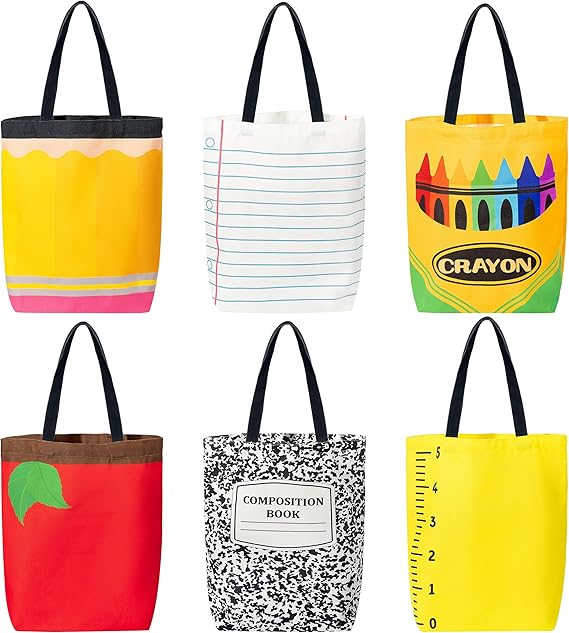
- Gift moment → mugs, totes, cozy items
- Self-identity statement → shirts, hoodies, hats
- Home aesthetic → wall art, prints, pillows
Step 3: Match product to “visibility level”
This is the part most people ignore.
Some products are public:
- shirts
- hats
- hoodies
Some are semi-private:
- tote bags
- water bottles
- laptop stickers
Some are private / at home:
- mugs
- pillows
- wall art
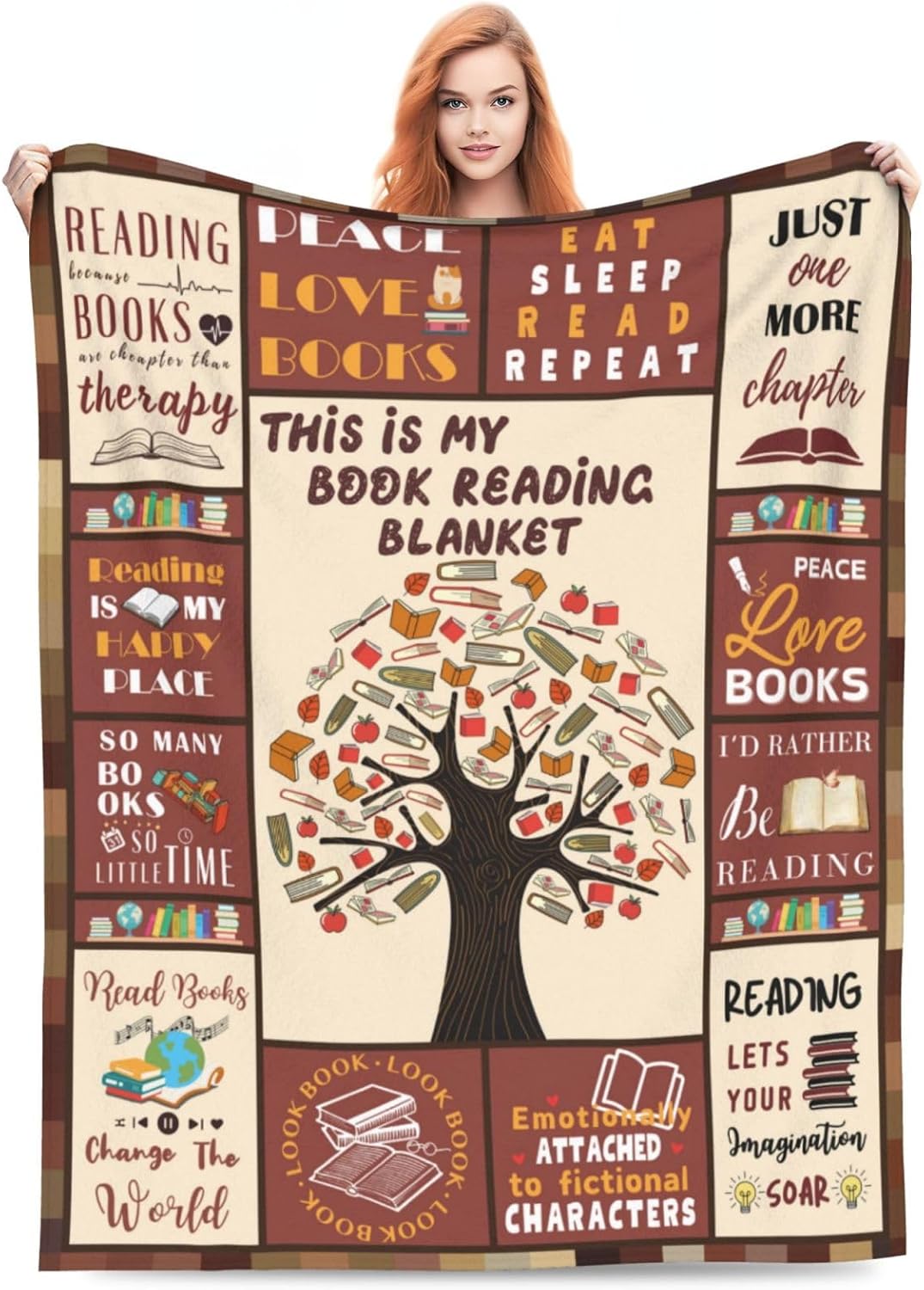
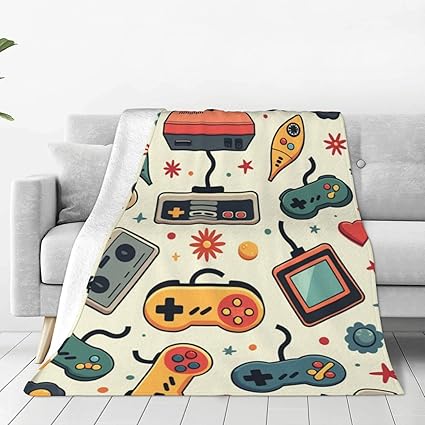
- blankets
A niche that loves public signaling (fandoms, hobbies) is great for shirts and hats.
A niche that wants subtle identity (teachers, parents) often prefers mugs, totes, and “work safe” humor.
Visibility level is a cheat code.
Step 4: Build a product ladder (so the niche can buy more than once)
A smart catalog gives the niche multiple entry points.
Example ladder:
- Entry: sticker or small print
- Giftable: mug or tote
- Statement: hoodie or premium item
Now you don’t just get one sale—you get a repeat buyer who collects your vibe.
Examples: niche-first vs category-first thinking
Category-first thinking:
“I want to sell tumblers.”
Niche-first thinking:
“Who buys tumblers and why?”
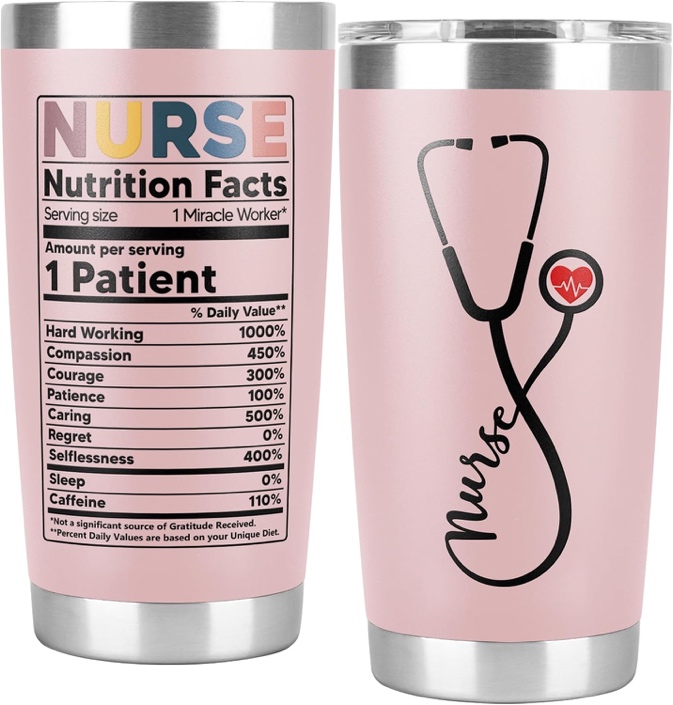
- nurses (shift hydration)
- teachers (classroom coffee)
- gym people (fitness identity)
- moms (chaos fuel)
Now your designs aren’t generic. They’re targeted.
The hidden pitfall: mismatched product choices create weak listings
This is a common pattern:
- Someone picks a niche (say: teachers)
- Then picks a product category that doesn’t match teacher buying behavior
- And wonders why it doesn’t convert
Whereas, teachers love:
- giftables (end-of-year gifts, appreciation week)
- workplace-friendly humor
- things that fit routines (mugs, totes, stickers for planners/laptops)
- items that are easy to buy in multiples
So if your teacher designs only live on niche products that don’t match how teachers buy, your conversion suffers—not because the niche is bad, but because the product isn’t aligned.
Where Merch Informer fits (lightly, but meaningfully)
Merch Informer helps you stay organized as you build out the niche-product pairing.
Even without going “technical,” the benefit is:
- you can plan niche-first
- then map products logically
- then keep your listings consistent across the formats you choose
The bigger your catalog gets, the more you want a system that prevents:
- duplicates
- mismatched naming
- scattered uploads
- “I don’t remember where I put that file” chaos
This is exactly where workflow tools become sanity tools.
The simple rule: pick a niche, then pick the products they already buy
Instead of trying to force a niche into a category, ask:
- What does this niche already buy?
- What do they buy as gifts?
- What do they buy for routines?
- What do they buy to signal identity?
Then choose 2–4 product categories that align.
You’ll make fewer listings—but they’ll be stronger, clearer, and easier to scale.