How to Use Pop Culture Trends Without Violating Copyright Rules
Pop culture sells, period. Memes, movies, anime, vintage TV, reality shows—they all fuel idealistic demand. But for POD creators and Merch by Amazon sellers, walking the line between trendy and legal can be a minefield.
That’s why this blog exists: to guide you through a spectrum of copyright-safe techniques—parody, public domain, transformative design, and more—so you can create products that resonate with fandom, without falling into legal traps.
1. Understanding Copyright & Trademark Basics
Let’s start with the foundation: copyright protects original expression (characters, scripts, even visuals), while trademarks protect symbols, names, and logos. Letting either define your design without permission puts you at risk.
Fair use in the US allows limited use for parody, criticism, and commentary, but it’s a legal defense—not a free pass. In most countries, there’s no fail-safe rulebook; it’s a judgment made by a court.
Translation? It’s safer to create work that transforms, satirizes, or riffs on trends—rather than rebroadcasting them. Use the 4-factor fair-use test:
- Purpose (transformative or commercial)
- Nature of the original (fictional works enjoy greater protection)
- Amount used (less is more)
- Market effect (will you undercut the original?)
When you play by those rules, you position your design for safety—even though nothing is 100% risk-free. Also remember: even if something is older than 70 years, that doesn’t guarantee it’s in the public domain. For example, Dracula (1931) is more than 90 years old, but the film is still owned by Universal, and Bela Lugosi’s likeness is protected by his estate. Age alone is not a free pass.
2. Approach by Genre: Safe Pop Culture Design
A. Memes & Viral Trends
- Create original meme renditions: reference the humor, not the exact template.
- Example: A coffee cup with “But first, adulting”—captures meme culture without copying.
- Use public domain images or your own illustrations paired with meme-style captions.
- Avoid trademarked meme graphics (popular faces like “Distracted Boyfriend” require caution).
B. Popular TV Shows & Franchises
- Use parody designs commenting on themes, never direct quotes or exact logos.
- Example: A kid in spacesuit with speech bubble “I pause for snacks”—a Star Wars parody that’s topical and fun.
- It must be obvious satire—something the audience recognizes as commentary.
- Keep references subtle: color palettes, tone, or setting clues are enough.
C. Retro Movies & TV
- Most works before 1928 are public domain—e.g., the silent German film Nosferatu (1922) is in the public domain and has inspired countless reinterpretations.
- If not in public domain, transform iconic details into commentary or abstract art.
- Example: Vampire silhouette drinking iPhone “blood”—affects humor rather than exact likeness.
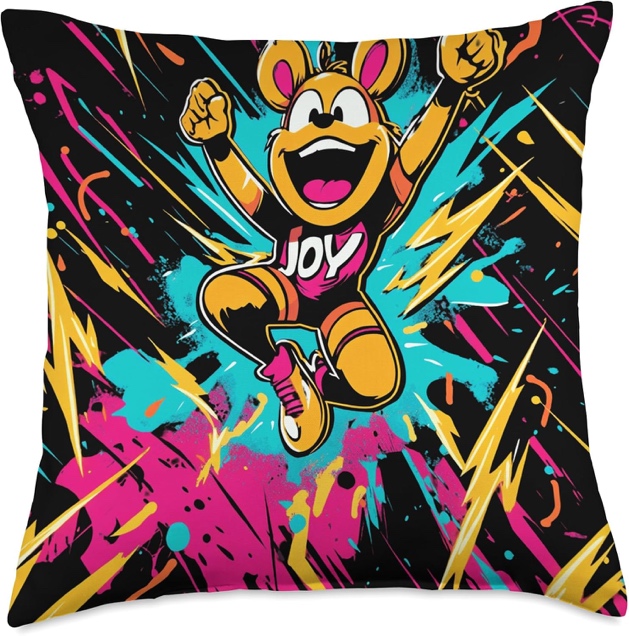
D. Anime & Manga
- Anime is heavily trademarked. Avoid direct characters or titles.
- Use inspired design: mimic color palettes, symbolic icons, or common tropes (e.g., power-up aura lines) instead of direct quotes.
- Pair with original phrases (“Super Saiyaning … before coffee”) for fan resonance.
E. Reality TV & Celebrities
- Political and satire elements are safer under US speech protections; celebrity likeness is not.
- Use fully abstract commentary—like silhouette with text “My reality is reruns”—no name or face associated.
3. Legal Strategies to Stay Compliant
A. Parody with Purpose
Your design must comment on the original work, not just exploit its popularity. The Supreme Court upholds parody when it’s transformative, even for profit.
Guidelines:
- Avoid company names/titles in design or tags.
- Make commentary obvious (e.g., “I’ve had it with lightsabers”).
B. Public Domain & Royalties
- Use public domain imagery free of copyright (e.g., Shakespeare, old cartoons).
- Verify image status carefully—only works older than 70 years or clearly marked as public domain are safe.
- Again, be cautious—some older works like Dracula (1931) are not in the public domain despite age. Confirm ownership before using.
C. Creative Commons & Licenses
- Use commercial CC-licensed art with proper attribution and compliance.
- Include attribution in your listing to stay transparent.
D. Avoiding Trademarks & Likeness
- Don’t publish designs using trademarked phrases (“Just Do It”) or corporate logos.
- Avoid using celebrity likeness—even stylized caricatures can be infringing.
E. Original Artwork & Transformativeness
- Create custom art inspired by tropes (VS sprites, cosplay fashion, etc.).
- Add parody text or context for added layer of transformation.
4. Design Inspiration by Theme
Memes
- Text + generic icons (e.g., pixel heart for “Level Up in Life”)
- Silly quotes: “I paused my binge to be here.”
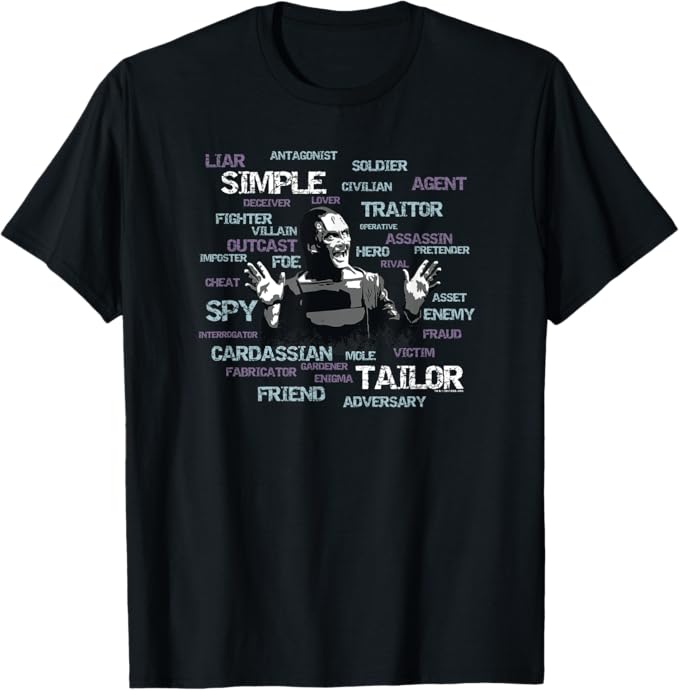
TV & Franchises
- Use iconic shape + satire: Lightsaber pointing to desk with: “These aren’t the spreadsheets you’re looking for.”
- Color references like bright red trench coat + “Who’s next?”
Retro Genres
- Silhouette + vintage style lettering (e.g., 1900s plane + “Going Rogue”).
- Public domain skeleton keys + “Open Season”.
Anime
- Rainbow aura lines around a coffee cup + “Supercharged Monday”
- Goku-style silhouette + “Today’s my training montage”.
Reality TV
- Generic crown + “Still Watching Real Housewives”
- Pop the gold mic: “I confess… I binge-watch for research.”
5. Best Practices Before You Publish
- Perform Image Reverse Search – ensure art is original.
- Keep Transformative Evidence – store sketches, design notes.
- Avoid trademarked words in titles and tags – fans will search fanspeak (e.g., “space saga humor”).
- Document inspiration rationale – helps in case of DMCA probe.
- Monitor customer feedback – positive response from fans suggests compliance; take complaints seriously.
6. Growth Through Legal Trend Design
- Scan Twitter & TikTok for trending memes or fan sentiment.
- Use Merch Informer Trend Hunter to gauge demand without copying.
- Apply your safe design formula: original art + fan flavor layers (+ parody or satire).
Conclusion
Pop culture inspires creativity—it doesn’t have to inspire lawsuits. With fair use, public domain, transformative design, and parody you can safely tap into trends. Always think twice: “Does this copy, mimic, or satirize?” If it transforms the idea into something new and humorous, you’re on track.
With thoughtfulness and legal grounding, your designs can resonate deeply while keeping you protected. Now, open up your creative notebooks—and go trend-right.