The Art of Pricing: How to Set Competitive Prices on Merch by Amazon
When a potential customer clicks on your Merch by Amazon listing, you’ve already won half the battle. But the price you set can determine whether that click converts or bounces—and if Amazon’s A9 algorithm rewards or penalizes your listing.
In this comprehensive guide, we’ll walk through proven pricing strategies—from initial launch pricing to long-term optimization—and explore how Merch Informer tools can support every step of the journey.
Why Pricing Strategy Matters for Merch Listings
Pricing doesn’t just affect your profit—it plays a central role in visibility, ranking, conversions, and perceived value:
- Amazon’s A9 algorithm favors listings priced competitively within category norms
- Listings with lower prices often achieve higher click-through and conversion rates
- But undervalued pricing can send revenue plummeting
- Royalties vary based on your price: Merch by Amazon sellers typically earn 13%–37%, depending on MSRP.
Your goal: find the price sweet-spot that maximizes sales and profit while aligning with shopper expectations.


Step 1: Research Market Pricing with Merch Hunter & Product Search
Use Merch Hunter
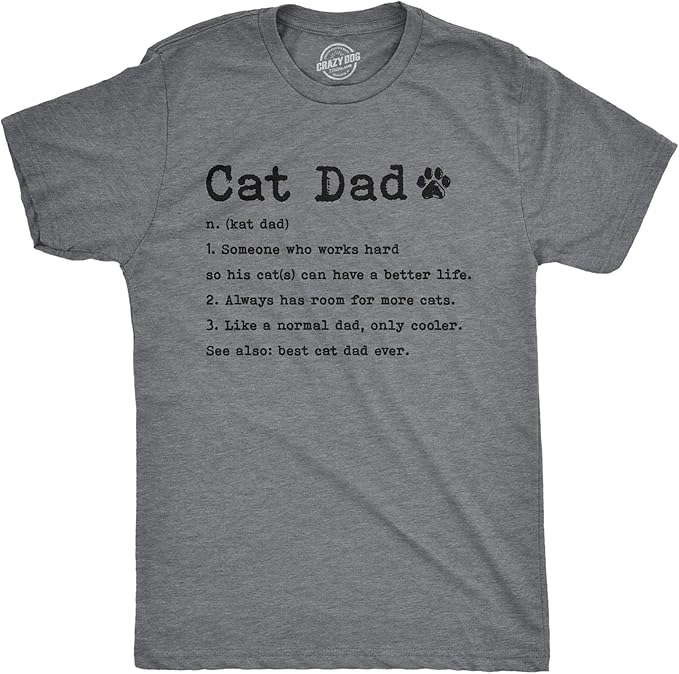
- Search for your core niche (e.g. “funny cat dad shirt”)
- Review average listing prices on page one
- Identify median range (e.g., $18–22 for standard tees)
Use Product Search Filters
- Sort by BSR or sales rank to isolate best-sellers
- Check whether those designs cluster around similar price points
Real-world tip: As recommended in older Merch Informer strategy guides, the best pricing is often the median, ensuring you’re not seen as too cheap or overpriced.
Step 2: Launch Pricing — Start Competitive, Then Scale
Initial price range: $15.99–$17.99
- A solid starting point to test buyer response, especially for new niches without reviews.
Long-term price bracket: $17.99–$19.99
- If a design sells well, consider raising price in $2 increments toward the top of the category range.
- For premium niches or designs, sellers can go 20% above the existing highest competitor price—provided the design quality justifies it.
Step 3: Track Royalties and Costs to Set Profit Goals
- Merch Informer’s cost calculator helps you estimate royalties after Amazon fees.
- Aim for $5 royalty on hoodies or $5–$7 for standard tees.
- Use a contribution margin mindset: price minus royalty = profit per sale.
Price too low: you may boost sales but lose money. Price too high: see fewer clicks and conversion.
Step 4: Competitive Pricing Strategies for Different Seller Goals
| Strategy | Description | Ideal For |
|---|---|---|
| Cost‑plus or median | Price at market average for your niche | New sellers testing low-risk |
| Price‑skimming | Raise prices gradually after sales build | Established sellers |
| Penetration pricing | Launch below average, build traction, then raise | Seasonal or trend-based releases |
| Premium premium | Price 15–20% above the norm if design or quality justifies it Wikipedia+2storesautomation+2Wikipedia+2FBA MasterMerch Informer+1Wikipedia+1 | Sellers with established brand, reviews |
True Merch distribution means adaptability. If a listing stalls, adjust price—drop it temporarily to spark sales or increase it if reviews and momentum grow.
Step 5: Use Merch Informer Tools for Smarter Pricing Adjustments
Merch Hunter & Keyword Search
- Test pricing for similar designs and niches at $20+, seeing if they still rank high
- Helps validate premium pricing viability.
Listing Comparison
- Examine top listings, note how many are highest-priced vs lowest
- Higher-priced listings still ranking well? You may replicate that with a standout design.
Trend Tracker
- Monitor seasonal or viral trends (e.g., group shirts for events, holiday designs)
- Adjust pricing based on urgency—time-sensitive designs can command higher prices.
Step 6: A/B Testing Prices to Gauge Elasticity
Experiment small-scale:
- Duplicate listing variants with $1–$2 price differences
- Track performance over a week or two
Metrics to Watch:
- Impressions → Views → Buy-Box offers → Sales → Royalty per item
You can refine pricing based on conversion patterns, guided by the category norms discovered via Merch Informer.
Step 7: Advanced Pricing Tactics—and Psychological Insights
Use pricing psychology:
- Charm pricing: $19.99 instead of $20—small decimal differences influence perception positively
- Bundle pricing: Offer two related designs at a slight premium each but packaged for better perceived value
- Good–Better–Best: Offer varying designs at $17, $20, $23—giving buyers options fits more budgets.
Step 8: Staying Agile Amid Amazon’s Trends & Platform Shifts
- Amazon has increasingly applied price caps (e.g., in Temu-competing storefronts) on category pricing—meaning ultra-low or too high may be penalized.
- Keep tabs on pricing thresholds within your niche
- Stay competitive but avoid price wars that erode your value over time
Real-World Scenario: Applying the MerchInformer Pricing Framework
Suppose you launch a design in a moderate niche:
- Launch at $16.99
- Gather initial sales and reviews
- Raise to $18.99 after 5 first sales
- Monitor performance; if sales dip only slightly, consider further raise to $20.99 (20% above norm)
You’re testing Merlin’s rule: Pricing above top page-one price works only if quality signals—review count, quality design—support it.
Bonus: Dynamic Pricing Tips for Launch & Growth
- React swiftly: spend the first 24–48 hours fine-tuning based on sales data
- Use price drops strategically: a short flash discount can boost ranking and rankings in algorithm
- Be cautious of oversaturation: if price drops below $12 or $13, Amazon may suppress your listing.
Final Checklist: Pricing Workflow for Merch Sellers
- Use Merch Hunter / Product Search to map niche pricing range
- Start near bottom of range ($15.99–$17.99) for new listings
- Track early sales → raise incrementally for high-performing listings
- Aim for $5+ royalty or appropriate margin gains
- A/B test price variants in controlled launch groups
- Offer bundles or higher-tier products if demand supports
- Adjust quickly using trend intelligence from Trend Tracker
- Match psychological pricing norms (charm pricing, tier bundles)
- Review pricing every 30 days—don’t let older listings stagnate
- Leverage listings with better reviews to support premium pricing
In Summary
Pricing is both science and craft. Merch Informer offers the data insights to navigate it successfully: design niche research, trending signals, price comparisons, and buyer behavior clues. By launching strategically, monitoring sales, and adjusting smartly, sellers can dominate priced-based search segments, maintain profitability, and build sustainable Merch by Amazon ventures.
Are you ready to implement these pricing strategies—and test how much more profitable your shirts can get? Let’s get started!