Seasonal Category Planning: What to Launch By Quarter
Most POD sellers don’t fail because their designs are bad.
They fail because they launch late.
And I don’t mean “late” in a moral, hustle-culture way. I mean late in the same way you’d be “late” to a party if you showed up after everyone already ate the cake. The opportunity is still technically there… but the moment has passed, the buying urgency has cooled, and you’re fighting uphill against sellers who were ready earlier.
Seasonal selling isn’t about making “holiday designs.” It’s about understanding that buyer intent changes throughout the year—and choosing product categories (and messages) that match the season’s mood.
Because shoppers don’t buy the same way in January as they do in October. They don’t browse the same way in May as they do in December. Their emotions change. Their calendars change. Their gift needs change. Their attention changes.

If you match your products to those shifting moods, you don’t have to be the loudest seller on the platform.
You just have to be on time.
Here’s a clean, high-level POD calendar mindset you can use every year—without becoming a seasonal maniac.
The secret: seasons are emotions, not dates
When sellers hear “seasonal,” they think:
- pumpkins
- snowflakes
- hearts
- fireworks
But the real seasonal engine isn’t icons. It’s psychology.
Each quarter brings a different buyer mood:
- Q1: “Help me reset.”
- Q2: “Help me celebrate and gift.”
- Q3: “Help me prepare and transition.”
- Q4: “Help me gift fast and feel good about it.”
If you build your product planning around those moods, your designs can stay evergreen while still riding seasonal demand.
That’s the best kind of seasonal strategy: durable, repeatable, and calm.
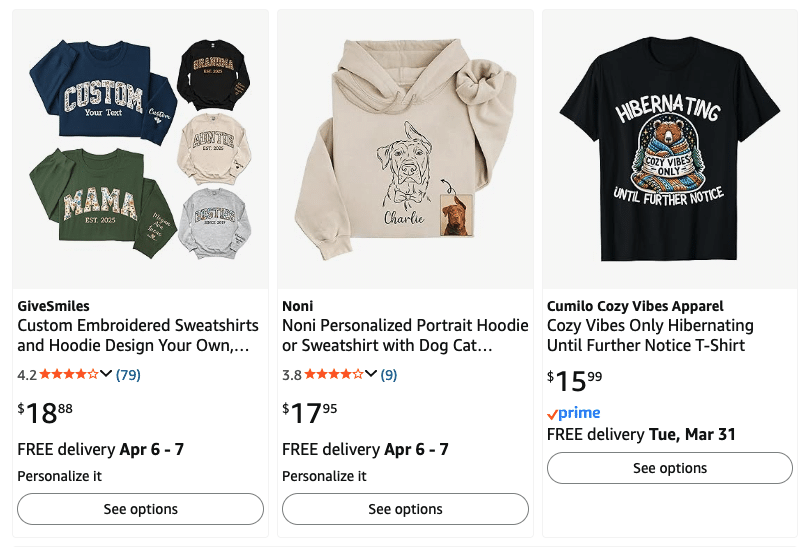
Q1 (Jan–Mar): reset + routine + identity
Buying moods
- “new year, new me”
- organization
- self-improvement
- winter comfort
Q1 is where people want a fresh start. They buy things that make life feel:
- cleaner
- calmer
- more in control
- more cozy
This is not the quarter for chaotic novelty. It’s the quarter for “I’m getting my life together” energy.
Category angles
- cozy apparel
- desk/lifestyle items
- routine-based giftables
What works well here: products that support habits and comfort.
Think about the emotional needs:
- staying warm
- staying motivated
- staying organized
- surviving winter
So your Q1 products don’t have to scream “NEW YEAR!” to sell. They can quietly match the mood:
- cozy and encouraging phrases
- productivity and routine themes
- winter comfort vibes (without needing snowflakes everywhere)
Imagine this: Someone is sitting at their kitchen table in late January, coffee in hand, thinking, “I need to stop feeling behind.” They search for something that feels like structure—without feeling like punishment. That’s Q1 buying intent. If your product makes them feel helped, not judged, you win.
A simple Q1 strategy:
Pick one theme (organization, calm routines, self-improvement) and build a small collection that feels supportive:
- “weekly reset”
- “one day at a time”
- “progress, not perfection”
- “cozy productivity” vibes
And, if you’re feeling behind after reading this, congratulations: you’re already ahead for 2027.
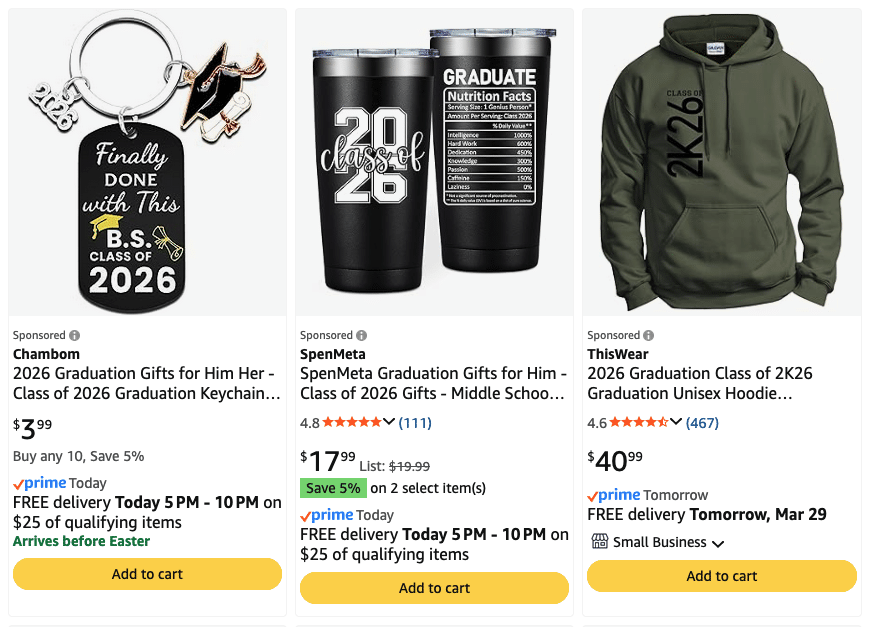
Q2 (Apr–Jun): gifting + events + outdoors
Buying moods
- Mother’s Day / Father’s Day gifts
- graduations
- weddings
- spring decor
Q2 is a celebration quarter. It’s less about self-discipline and more about:
- appreciation
- milestones
- “we’re coming back to life” spring energy
- gifting for other people
People buy in Q2 because they need to show up for someone else.
Category angles
- giftables (mugs/totes)
- event-friendly items
- brighter seasonal aesthetics
This is where your product ladder should lean into gift-friendly items. People love products that are:
- easy to choose
- easy to wrap
- emotionally specific (“this is SO them”)
- safe enough to buy quickly
Picture this: A buyer has Mother’s Day coming and wants something that feels personal, not generic. They’re scrolling fast. They’re anxious about getting it right. A product that clearly signals “this fits a mom who…” wins immediately. That’s Q2.
A simple Q2 strategy:
Build collections around roles and appreciation:
- “teacher appreciation” (often peaks in spring)
- “grad gifts”
- “wedding party” themes
- “new home” / “spring refresh” decor vibes
You don’t have to make everything floral. You just need a lighter energy and a gift-ready framing.
Q3 (Jul–Sep): back-to-school + late summer + early spooky
Buying moods
- school prep
- teacher gifts
- fall anticipation
Q3 is a transition quarter. It’s where summer starts to fade and people mentally shift into:
- routines
- schedules
- preparation
- “what’s coming next?”
It’s also the quarter where smart sellers quietly start preparing for Q4 while everyone else is still thinking it’s “too early.”
Category angles
- school/lifestyle categories
- early fall vibes
- “cozy ramp-up” products
Back-to-school doesn’t just mean kids. It means the entire household re-enters calendar life. That creates demand for:
- organization products
- teacher-related items
- routine support
- identity products for school roles
And late Q3 is where “early spooky” starts showing up:
- cozy fall
- subtle Halloween
- gentle “spooky cute” vibes
- autumn color palettes
Here’s an example: Someone is building a classroom or preparing a kid’s routine. They want something that feels fresh and motivating. They don’t necessarily want a Halloween skeleton yet—but they’re open to cozy fall vibes. That’s Q3. It’s not full Halloween—it’s anticipation.
A simple Q3 strategy:
Treat Q3 as “ramp season”:
- create back-to-school collections
- start fall collections that aren’t full holiday yet
- prep your Q4 bestsellers so you can launch early
Because launching Q4 products in late September is often the difference between a calm season and a frantic one.
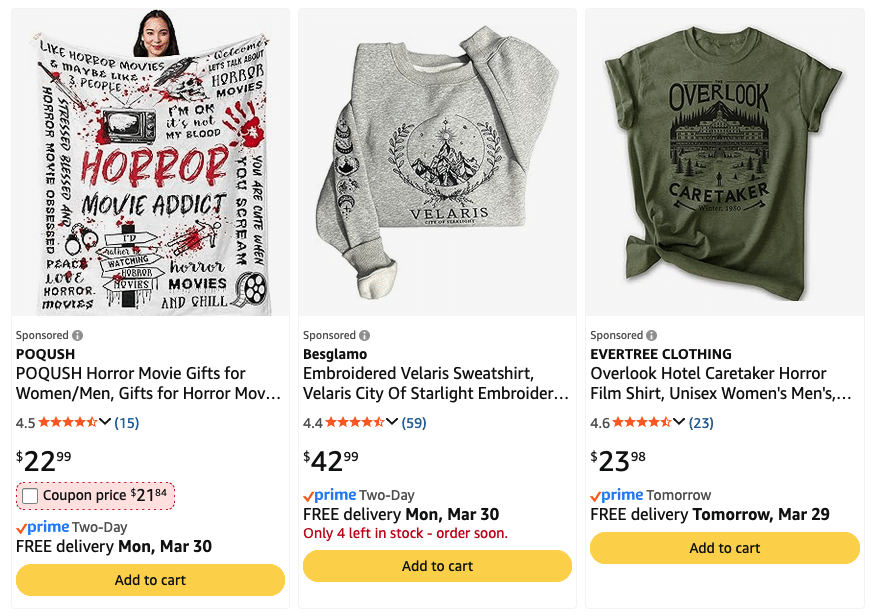
Q4 (Oct–Dec): peak gifting + seasonal identity
Buying moods
- Halloween → holiday → New Year
- gifting urgency
- family identity products
Q4 is where demand is huge… but so is noise.
This quarter is not won by people who “work the hardest.” It’s won by people who are:
- prepared
- organized
- clear in their listing presentation
- ready with gift language and bundles
- already sitting in the buyer’s search paths
Category angles
- gift sets and “perfect for ___” language
- cozy premium items
- seasonal collections that look curated
Q4 buyers want:
- speed
- certainty
- the feeling of “nailed it” gifting
This is where:
- bundles and sets matter
- collections matter
- clear mockups matter
- AOV naturally rises (because gifting causes add-ons)
Look at it this way: A buyer is panic-shopping. They have three people to buy for, and they’re tired. Your listing wins if it makes them feel safe:
- “Perfect gift for ___”
- clear visuals
- clear expectations
- “matching set available”
In Q4, the best conversion strategy is not cleverness. It’s clarity.
The most important seasonal truth: you don’t have to be “holiday-only”
A lot of sellers make the mistake of turning their entire shop into holiday mode.
The better approach is to build evergreen foundations that spike during holidays.
Examples:
- roles (teacher, nurse, mom, dad)
- cozy routines
- home decor vibes
- identity communities (book lovers, pet parents, hobby tribes)
These sell year-round—and then naturally surge in gifting seasons.
That way your shop doesn’t feel like:
- 12 different stores stacked together
It feels like:
- one cohesive brand that gets more relevant at certain moments
A simple seasonal planning habit that keeps you on time
Here’s a calm method you can use each year:
- Pick your next quarter’s “buyer mood” (reset, gifting, transition, peak gifting)
- Choose 2–3 product categories that match that mood
- Create one cohesive collection (not a scattered list of one-offs)
- Launch before the rush (this is the whole game)
- Use the season as a spotlight, not a costume
- Same brand, seasonal accent
This keeps you consistent and saves your nervous system.
Final thought
Seasonal planning is not about being trendy.
It’s about being on time with categories buyers already want.
If you match product category + buyer mood, you stop chasing the season and start meeting it—calmly, predictably, and profitably.