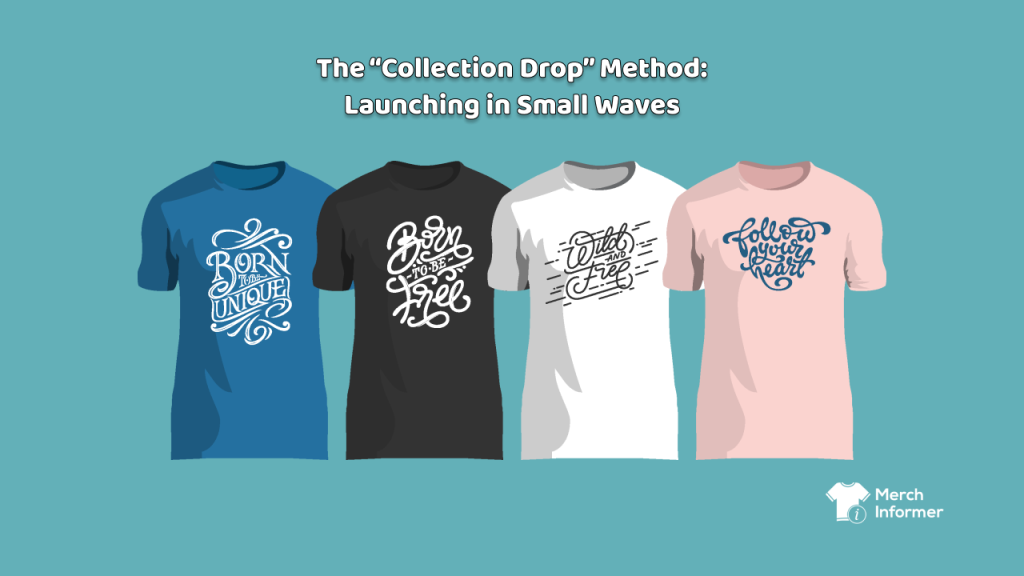
The “Collection Drop” Method: Launching in Small Waves
There’s a particular kind of exhaustion that hits POD sellers who are doing everything “right.”
You’re designing. You’re uploading. You’re posting consistently. You’re trying new product types. You’re tweaking keywords. You’re staying busy.
And yet it still feels like you’re throwing paper airplanes into a hurricane.
That feeling usually has nothing to do with your creativity. It has to do with how you’re releasing your work.
Most POD sellers launch the way people clean their closets: in a frantic weekend burst where everything ends up in piles, nothing has a label, and by Sunday night you’re sweaty, annoyed, and not sure anything actually improved.
A Collection Drop is the opposite. It’s a calm release strategy that makes your shop feel intentional and alive—because you’re presenting products the way buyers actually shop on marketplaces: by vibe, by identity, by “oh wow, this whole line is for me.”
It’s also one of the easiest ways to stop feeling scattered, because it replaces the daily brain-drain question—What should I make next?—with a simpler, steadier one:
What belongs in this collection?
When you do that, you stop thinking like a person posting listings and start thinking like a creator building a catalog.
Why buyers respond to “drops” (even when you don’t call them drops)
Here’s the secret: buyers love the feeling that they found a shop with a point of view.
They don’t want to browse a yard sale. They want to browse a boutique.
A boutique has:
- a consistent aesthetic
- a coherent niche
- a handful of variations that feel intentional
- and the sense that the seller understands the customer
That’s what a collection drop signals. Even if the buyer can’t name it, they feel it.
And it matters because in POD, you’re often selling identity as much as you’re selling a product:
- “This is my hobby.”
- “This is my sense of humor.”
- “This is my people.”
- “This is the gift that fits my person.”
If you release one random item at a time, you never fully communicate that identity. But if you release a small set that shares a vibe—matching typography, matching tone, matching visual language—you create instant trust.
And trust converts.
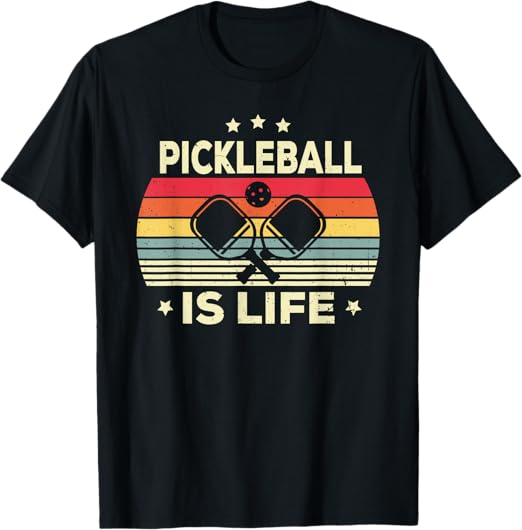
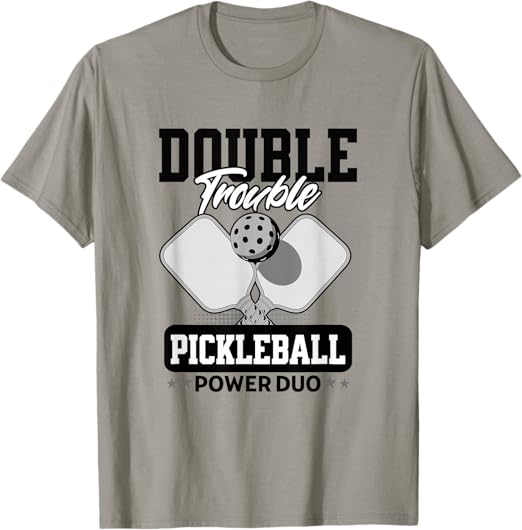
One niche example: Pickleball Culture
Pickleball is a perfect niche for a collection drop because it’s basically a modern social tribe:
- people join it quickly and loudly (“I’m a pickleball person now.”)
- it has sub-groups (beginners, competitive players, doubles partners, retirees, weekend warriors)
- it’s giftable (birthdays, Father’s Day, “my friend is obsessed” gifts)
- and it supports collecting (people love having more than one shirt, more than one mug, more than one sticker)
In other words, it’s not a “one product” niche. It’s a line niche.
So instead of posting a single pickleball tee and hoping it pops, you release a first wave that feels like the start of a brand lane. Then you build in small waves that keep the shop coherent and keep the buyer interested.
That’s the method.
The Collection Drop Structure
Think of the collection like a mini-season of a show: you don’t dump everything at once, and you don’t release episodes randomly. You release in a rhythm that builds familiarity, tests what resonates, and expands only when it’s earned.
Wave 1: Core Identity (6–9 listings)
Goal: establish the vibe and make the niche instantly clear.
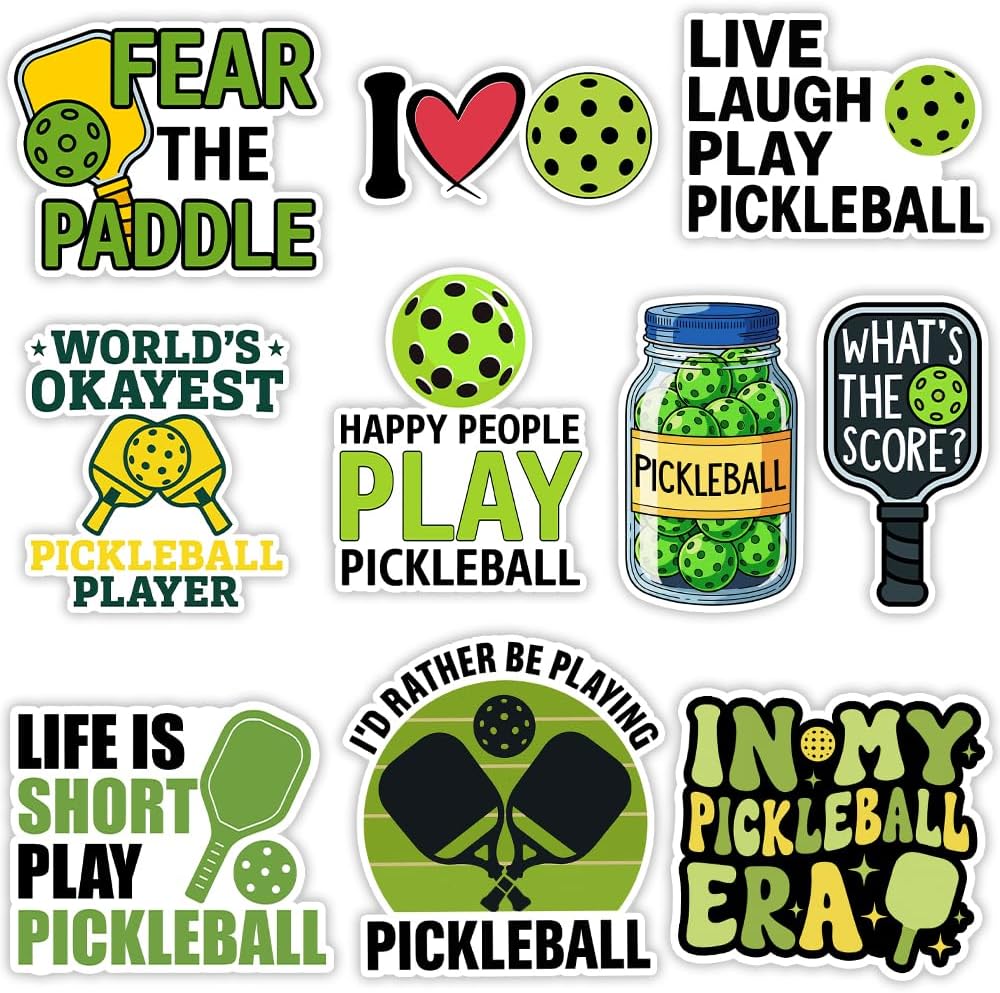
- clean “pickleball identity” phrases
- simple iconography (paddle/ball)
- your most readable designs
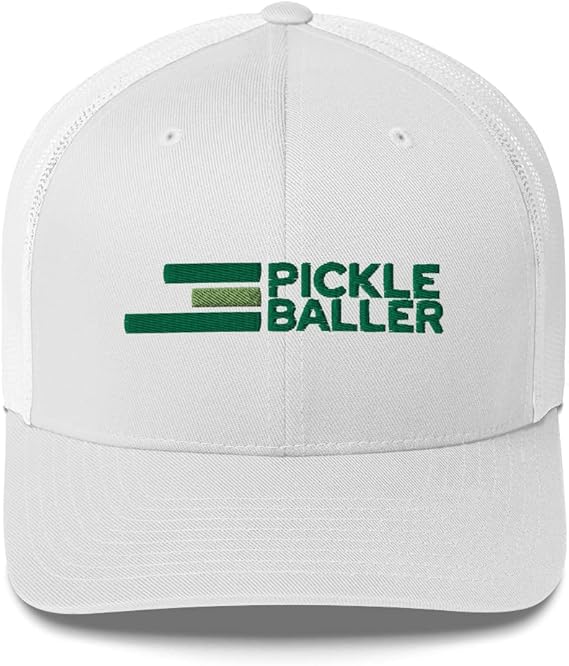
Product focus: 1–2 hero products + 1 add-on
- hero: tee or hat
- add-on: sticker or mug
Wave 2: Sub-Tribes (6–9 listings)
Goal: speak to smaller groups inside the niche.
Examples:
- doubles partner humor
- competitive/tournament energy
- beginner jokes
- retired-but-dangerous humor
Same aesthetic system, deeper targeting.
Wave 3: Gifts & Occasions (6–9 listings)
Goal: convert browsing into gifting.
Examples:
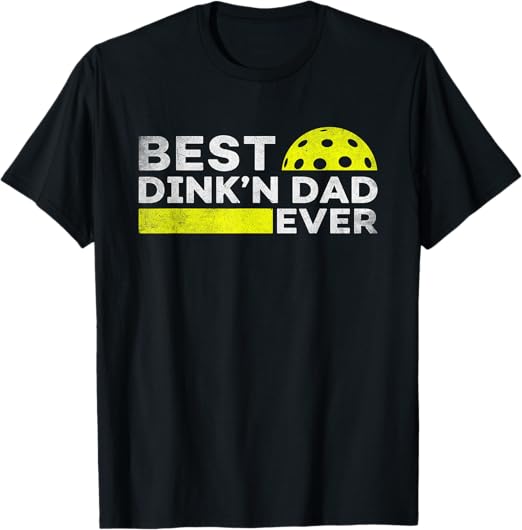
- pickleball dad / Father’s Day
- birthday gift language
- team captain / club gifts
- tournament gifts
This wave often boosts conversion because gift buyers buy faster.
Wave 4: Premium / Cozy (4–6 listings)
Goal: add higher-value items after you know what’s working.
Expand using winners from earlier waves:
- hoodies/sweatshirts
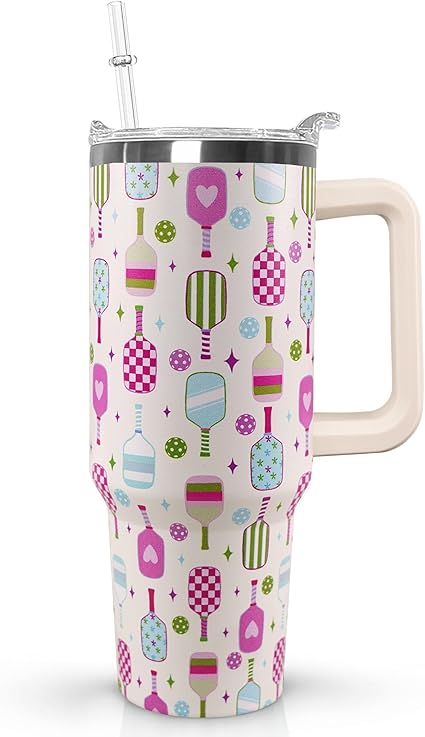
- tumblers
- premium-feel items
No guessing. Just scaling what buyers already proved they want.
Why this method works
Launching in waves does three things at once:
- It makes your shop feel curated and trustworthy
- It gives buyers a reason to browse (and add more than one item)
- It gives you a process that prevents burnout
Instead of inventing 50 new ideas at once, you’re building one niche world over time. Instead of guessing what will sell, you’re learning from your own mini-releases. Instead of random sprawl, you’re building a catalog with guardrails.
That’s what turns POD into something sustainable.