The Collection Strategy: How to Turn One Design Into a Mini Product Line (Without Bundling)
A lot of creators hear “increase your average order value” and immediately think bundles.
Bundles can work… but they also add friction:
- more decisions for the buyer
- more complexity in listings
- more chances for your shop to feel messy
- and (depending on the platform) more limitations than people expect
The good news is: you can get most of the upside of bundling without bundling at all.
The secret is the collection strategy—turning one design idea into a cohesive mini product line that feels intentional, giftable, and easy to shop.
A collection doesn’t force the customer to buy multiple items in one checkout. It simply makes it natural for them to want more than one thing.

Let’s break down how this works.
Why collections outperform random “one-off” products
A random catalog feels like a flea market: interesting, but chaotic. It puts more work on the shopper.
A collection feels like a brand: curated, consistent, easy to trust.
And trust is what drives multi-item purchases.
When a buyer sees a coordinated set of items in the same niche and style, their brain does something simple:
“Oh. This is a real thing.”
Not just “a design.” A vibe. A mini world.
That’s the moment where:
- gift buyers add a second item (“this would go perfectly with…”)
- niche fans buy a matching item (“I want the set”)
- repeat buyers follow the shop (“this creator gets my taste”)
Collections create momentum.
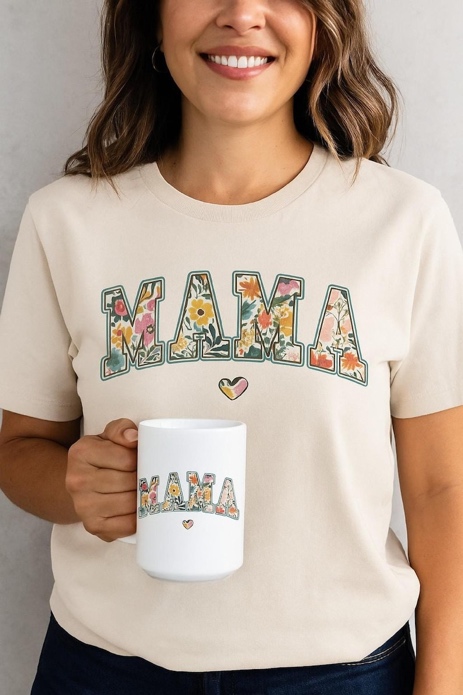
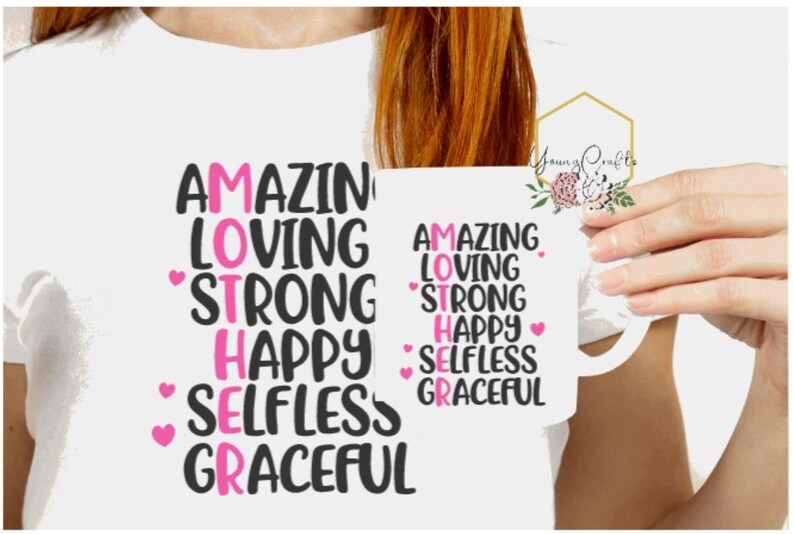
The “Mini Product Line” mindset
A mini product line is just three elements:
- One niche
- One aesthetic
- A small family of products that belong together
That’s it.
When creators get overwhelmed, it’s usually because they try to build:
- multiple niches
- multiple aesthetics
- multiple product types
all at once
The collection strategy simplifies the game.
Instead of:
“What should I design next?”
You shift to:
“What belongs in this collection?”
That question is easier—and it keeps your output coherent.
The 4 easiest ways to build a collection (that feels legitimate)
You can build a collection around any of these anchors:
1) A niche identity
Examples (generic on purpose):
- teacher life
- dog parents
- nurses
- book lovers
- campers
- gardeners
- gamers
Collection logic: same audience, slightly different messages.
2) A signature aesthetic
Examples:
- retro diner
- cottagecore
- minimal modern
- spooky-cute
- pastel goth
- mid-century
Collection logic: same vibe across multiple products, even if messages vary.
3) A character or mascot
If you have a simple mascot (a little ghost, a grumpy cat, a happy plant), it becomes a brand handle.
Collection logic: same character, different situations/phrases.
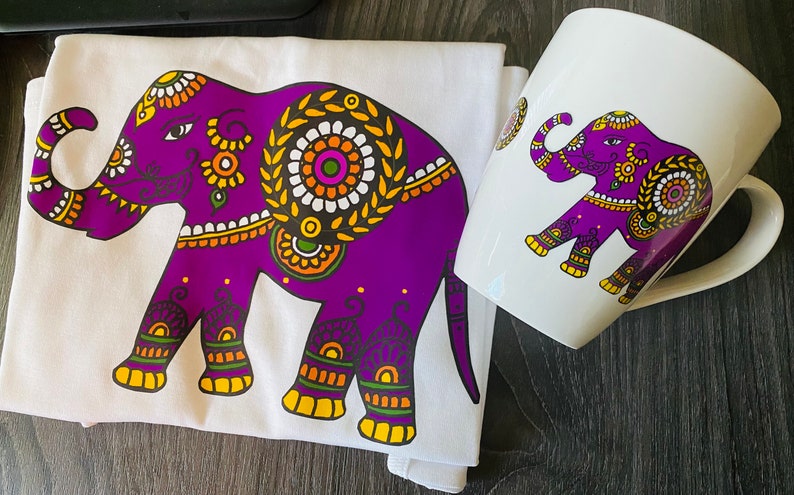
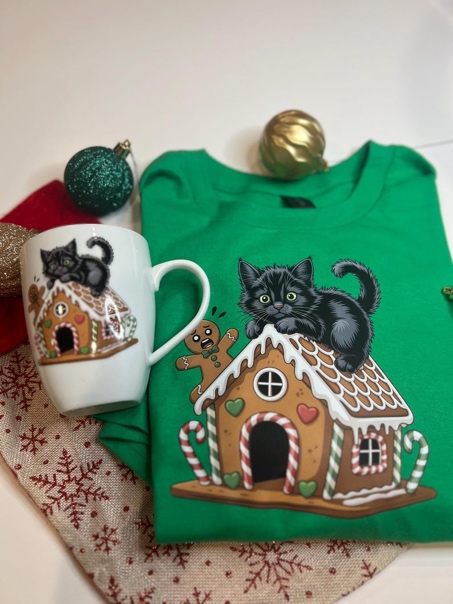
4) A “phrase family”
Phrase families are variations that feel like siblings, not clones.
Example:
- “Coffee. Chaos. Repeat.”
- “Coffee is my coping skill.”
- “Powered by coffee and audacity.”
Collection logic: same voice, same buyer, multiple “fits.”
The “3 x 3” collection formula (fast, clean, scalable)
If you want a simple structure that doesn’t explode your workload:
Pick 3 designs and 3 product formats
That gives you 9 listings that feel like a real line.
Example formats (common):
- shirt
- mug/drinkware
- tote/sticker/wall art
Then you expand only if the collection performs.
This is the opposite of chaotic scaling. It’s controlled growth.
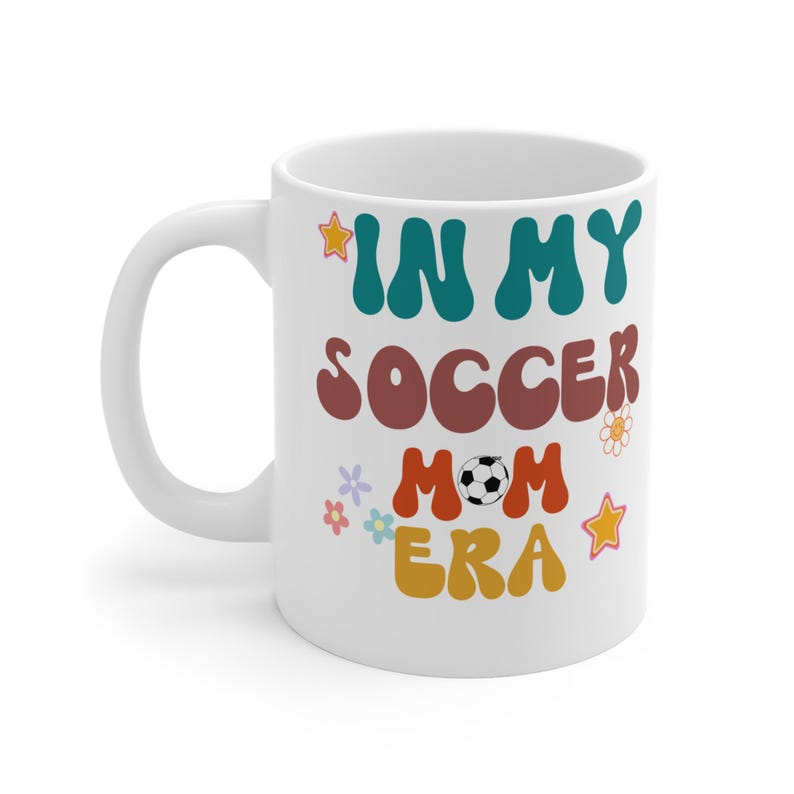
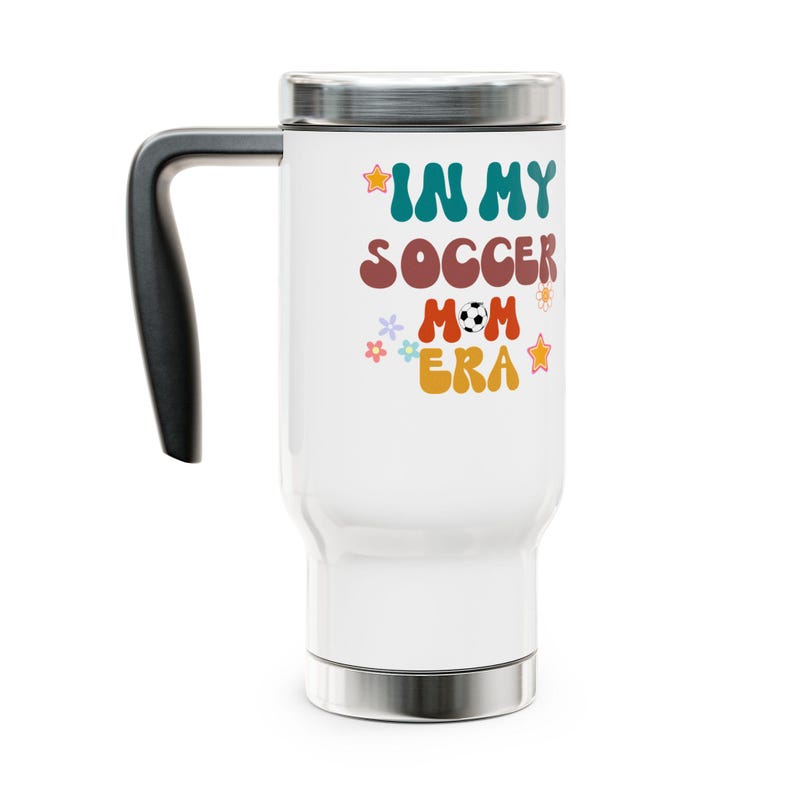
How collections increase AOV without bundling
Collections raise average order value in three quiet ways:
1) They create “matching desire”
People love sets. Even when they aren’t sold as sets.
A buyer sees:
- a mug + tote + sticker with the same vibe
and thinks: “I should grab the matching one.”
That’s AOV without any bundle mechanics.
2) They reduce decision friction
When everything looks consistent, the buyer feels safe.
They don’t wonder:
- “Is this shop reliable?”
- “Is this design quality consistent?”
They just shop.
3) They encourage gift add-ons
Gift buyers are constantly hunting for the “little extra” item:
- a sticker to go with a tote
- a mug that matches the shirt
- a small add-on that makes the gift feel complete
Collections make add-ons obvious.
Merch Informer’s role: the “distribution advantage”
The reason collections matter even more in today’s POD world is that creators aren’t limited to one product type or one sales channel anymore.
When you can distribute designs across multiple product categories and storefronts, the winning play becomes:
Build a cohesive catalog that can travel.
A single-upload style workflow supports the collection strategy because it reduces the admin cost of:
- replicating listings
- managing variants
- staying consistent across formats
- keeping organization sane
In other words: collections are the creative strategy; efficient distribution is what makes them sustainable.
The biggest collection mistake: making it too big, too fast
Collections work best when they feel curated.
If you launch a “collection” with 50 items, it stops feeling like a line and starts feeling like clutter.
Better:
- Start with 9–12 listings
- See what buyers respond to
- Expand on the winners
- Retire the weak links
This keeps your shop feeling intentional and premium.
A quick checklist: does this feel like a real line?
Before you publish a collection, ask:
- Do these items share a consistent aesthetic?
- Would a buyer recognize these as “from the same shop” instantly?
- Do the phrases/designs feel like siblings, not duplicates?
- Is there a clear “hero product” (the main draw)?
- Are there 1–2 natural add-ons?
If yes, you’re not just listing products—you’re building a brand lane.
Final thought: bundling is optional. Coherence is not.
You don’t need complicated bundles to increase revenue.
You need:
- a niche that knows itself
- a vibe that stays consistent
- and a collection that makes the buyer want to complete the set
That’s the collection strategy:
one design idea → mini product line → easier shopping → higher AOV (naturally).
And it scales cleanly—because it’s built on a repeatable system, not a constant scramble for brand-new ideas.