The Variant Strategy: Colorways, Roles, Editions – Without Looking Spammy
If POD had a “silent killer,” it wouldn’t be competition. It would be self-inflicted clutter.
Because the moment you find a design that sells, a very human thought shows up:
“Great. Now I should make a bunch of versions.”
And you should—because that’s how catalogs grow. But there’s a line you don’t want to cross: the moment your shop starts to feel like an endless hallway of the same listing wearing different hats. Buyers get tired. You start competing with yourself. The shop stops feeling curated and starts feeling noisy.
A strong variant strategy avoids that. It scales what works while keeping your storefront feeling intentional—like a brand, not a slot machine.
To do it right, you need to be clear about what “variants” actually mean. In POD, three kinds matter most:
Colorways are palette choices.
Roles are identity stages.
Editions are curated releases.
And when you use them with intention, they feel like the natural growth of a product line—not spam.
Colorways: the same idea, different vibe
A colorway isn’t “every color in the dropdown.”
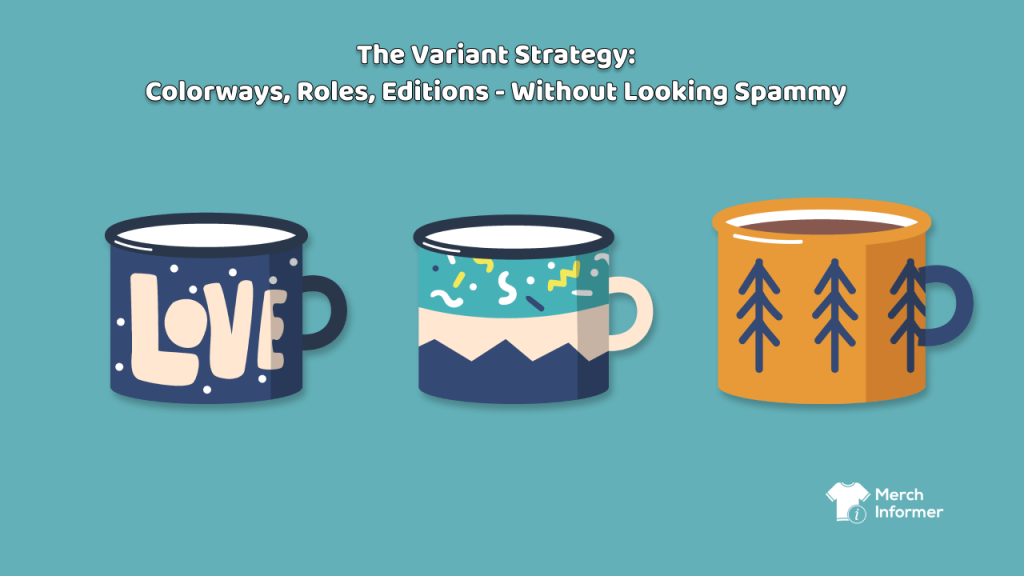
A colorway is a deliberate palette that changes the emotional read of a design. It gives the buyer a preference to choose from—like picking a jacket in black versus cream versus that warm retro orange that makes the whole thing feel like it belongs in a 70s kitchen.
Colorways work best when they’re anchored to recognizable style lanes, like:
- Minimal (black/white/neutral)
- Retro (warm, slightly sun-faded tones)
- Bold Pop (high contrast, bright accents)
- Soft Cozy (muted pastels / warm neutrals)
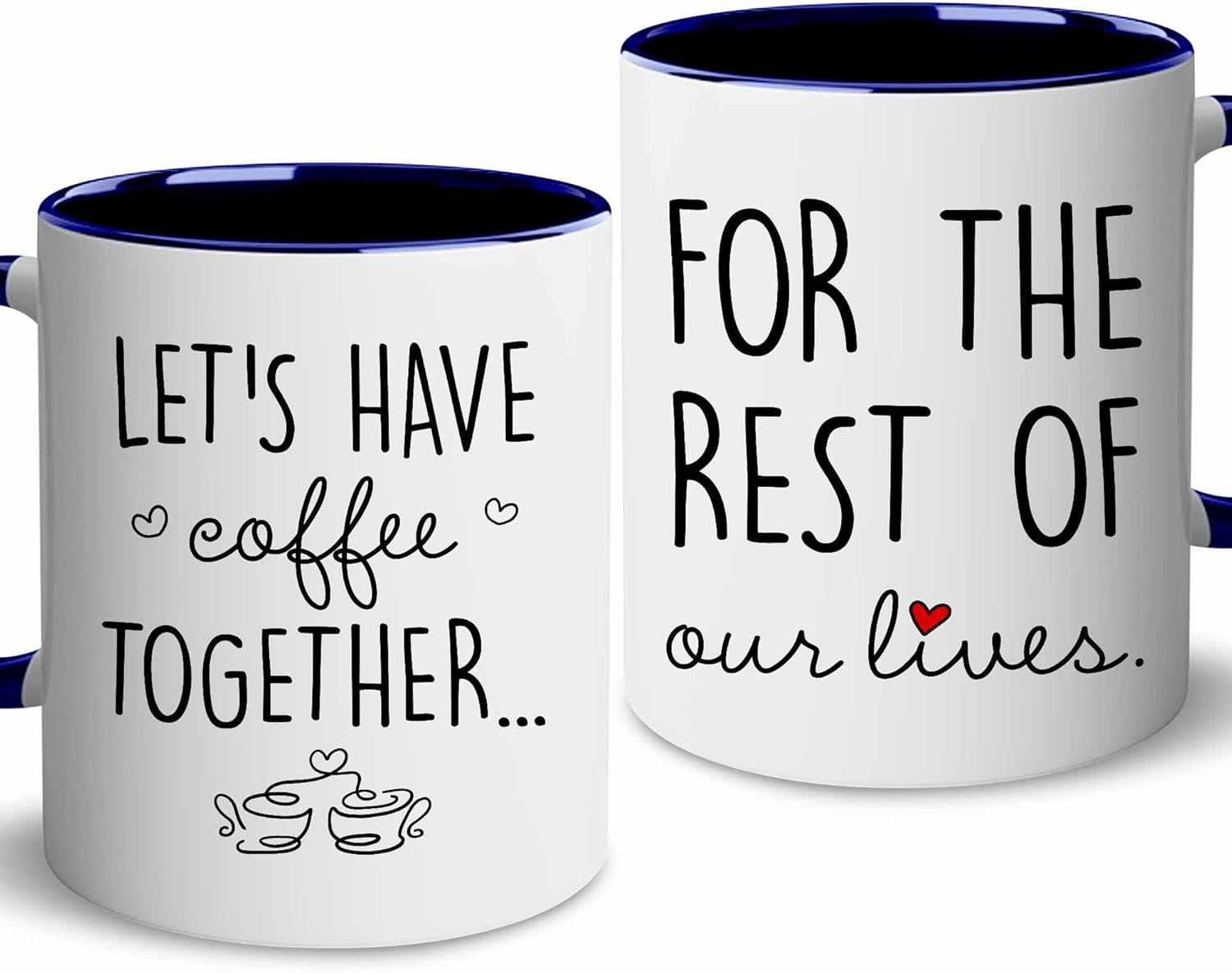
The test is simple: could two buyers look at the options and honestly say, “I’m a Minimal person” vs “I want the Retro one”? If yes, you’ve created meaningful choice. If no, it’s just noise.
This is why apparel is such a natural home for colorways. A tee design can feel witty and crisp in black-and-white, and playful and nostalgic in warm retro colors—without changing the words at all. The buyer isn’t buying “a different color.” They’re buying a different mood.
Drinkware can handle colorways too, but with more caution, because print reality matters. Color can shift between screens and physical printing. So the smartest drinkware colorways are usually:
- fewer colors
- higher contrast
- palettes that still look good if they shift slightly
Roles: the variant type that scales cleanest
Roles are the safest kind of variation because they’re not cosmetic—they’re identity.
This is where you were heading, and it’s exactly right: the best “roles” aren’t random titles, they’re life stages and status transitions inside a niche. Buyers don’t just pick a design; they pick their label.
You can think of roles as a ladder:
- athlete/player → coach
- student → graduate
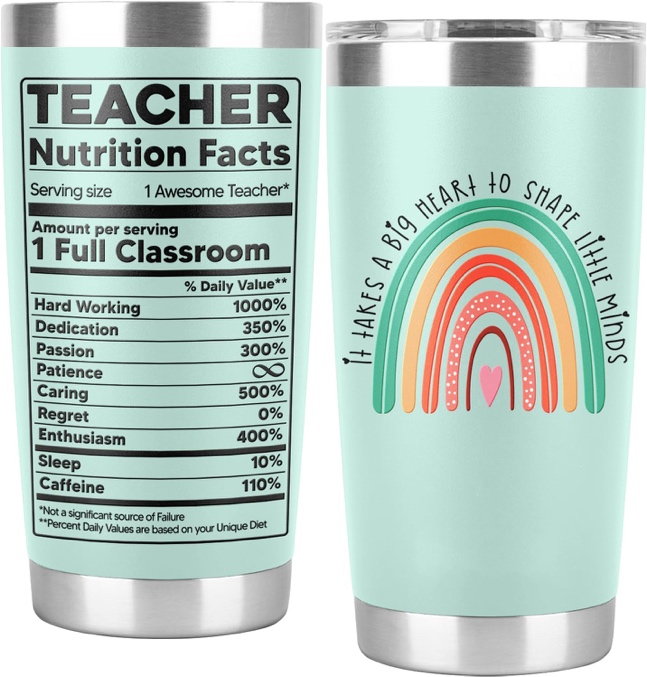
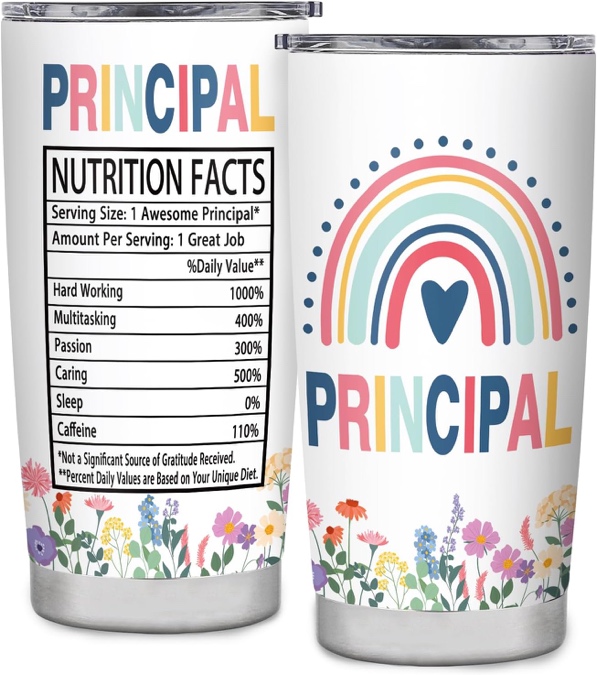
- teacher → principal
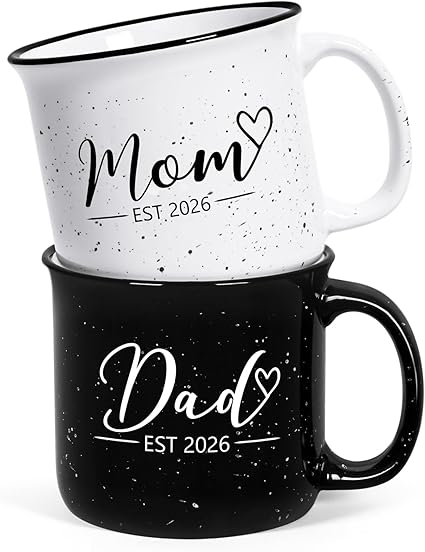
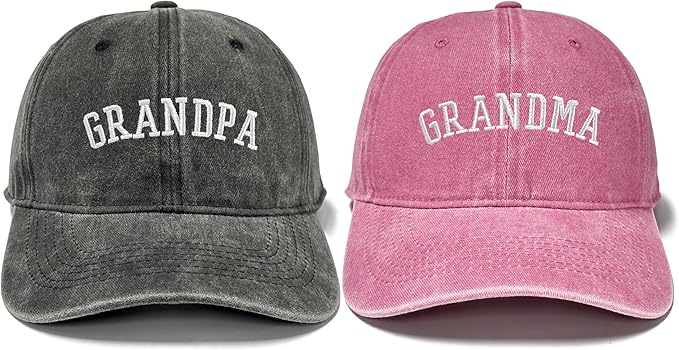
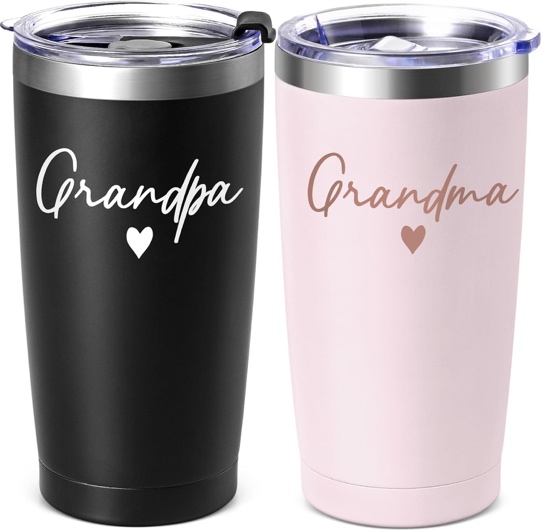
- engaged → spouse → parent → grandparent
And the reason this works is emotional: people love buying items that mark who they are now, or who they’re becoming. That’s not spam—that’s a real, evergreen buyer need.
Here’s what role variants look like when they’re done well:
Sports / fitness:
You start with “player” energy (identity, hype, inside jokes). Then you build role versions for the people around the player:
- coach
- team captain
- proud parent
- “team mom/dad”
- tournament crew
Same concept. Different identity.
Education:
A “teacher” niche can become a whole role universe:
- teacher
- student teacher
- para / teacher’s aide
- librarian
- principal
- counselor
A teacher mug is an everyday ritual. A principal gift might be appreciation. A graduate item is a moment marker. Roles let you sell to adjacent buyers without leaving your lane.
Life stages:
These convert like crazy because they’re packed with meaning:
- engaged → bride/groom
- spouse (“wifey/hubby” if that’s the vibe)
- new parent
- boy mom/girl dad variants (if you choose that lane)
- grandparent (“grandma est.”, “grandpa squad”)
This is the opposite of spam. This is a buyer thinking: This is my chapter right now. And that’s the Etsy/POD superpower: you can make a product that feels like it belongs to someone’s chapter.
The key to roles is to keep them real. People have to actually identify with the role label. If you invent titles nobody uses, you get dead listings. But if you stick to real-world roles and transitions, role variants become a clean scaling engine.
Editions: how to make variants feel curated instead of duplicated
Editions are the packaging that makes your variants feel intentional.
They answer the buyer’s unspoken question: Why does this version exist?
Because “Edition” language implies that you are releasing a line—like a small fashion drop or a seasonal release—not just duplicating the same design.
Editions can be seasonal and totally legitimate in POD:
- a tee version for summer
- a hoodie version for fall/winter
- a cozy sweatshirt “winter edition”
- a premium drinkware “hydration edition” (mug → tumbler → handled tumbler)
This is exactly the path you called out: start with the simplest, most universal silhouette (the mug), then move to the modern “carry” silhouettes people now treat as standard daily gear (tumblers, handled tumblers).
Editions also work visually:
- “Minimal Edition” (clean typography, neutral palette)
- “Retro Edition” (warm palette, vintage texture)
- “Night Edition” (dark base, high contrast)
The edition isn’t just a label. It’s a promise of coherence. It helps your shop feel like a brand with taste.
The anti-spam rule: variants must create new buying reasons
If you want one north star, it’s this:
Every variant should create a new reason to buy.
- Colorway = “this vibe fits me”
- Role = “this label is me (or my gift person)”
- Edition = “this is the right format/season/version for how I’ll use it”
If you can’t name the new buying reason, don’t publish the variant.
That simple discipline prevents the “47 near-identical listings” problem.
A clean example: how this looks as a real POD line
Let’s say your niche is “students → graduates.”
You launch Wave 1 with the core identity:
- “Class of 2026” design on a tee (hero product)
Then you add roles:
- “Proud Mom of a Graduate”
- “Proud Dad of a Graduate”
- “Grandma of a Graduate”
- “Coach / Mentor” variants if the niche supports it
Then you add editions:
- “Ceremony Edition” (clean, classic, photo-friendly)
- “Party Edition” (bolder, funnier)
Then formats:
- tee → hoodie (fall)
- mug → tumbler (gift upgrade)
That’s not spam. That’s a coherent line serving real buyers in different situations.
Final thought
Variants aren’t the enemy. Unthinking variants are.
Colorways let buyers choose mood.
Roles let buyers choose identity.
Editions let buyers choose context and format.
When you treat variants as new buying reasons—not just more listings—you scale like a brand: clean, calm, and collectible.