Beyond Shirts: The Most Underrated POD Categories That Sell Like Gifts
One of the biggest misconceptions in print on demand is that the “real money” lives in apparel.
Apparel is great. It’s familiar. It’s a proven lane.
But if you look at how people actually shop—especially on gift-driven platforms—the quiet winners often aren’t shirts at all. They’re the items people buy when they’re trying to solve a very specific problem:
- “I need a quick gift that feels personal.”
- “I want something small but meaningful.”
- “I want something that looks good in a photo.”
- “I want something that feels like them.”
That’s where underrated POD categories shine.
This post is a tour of categories that can perform shockingly well when you match them to the right niche and design style—plus a simple way to think about which products belong to which kinds of buyers.
Why “giftable” often beats “wearable”
Shirts are identity products. The buyer has to imagine wearing it publicly. That’s a higher bar.
Giftable products have a different advantage: the buyer is often shopping for someone else, and the bar becomes:
- Does it feel personal?
- Does it feel safe?
- Does it look good?
- Is it the right price for a “little win” gift?
In other words, giftables are often easier decisions than apparel.
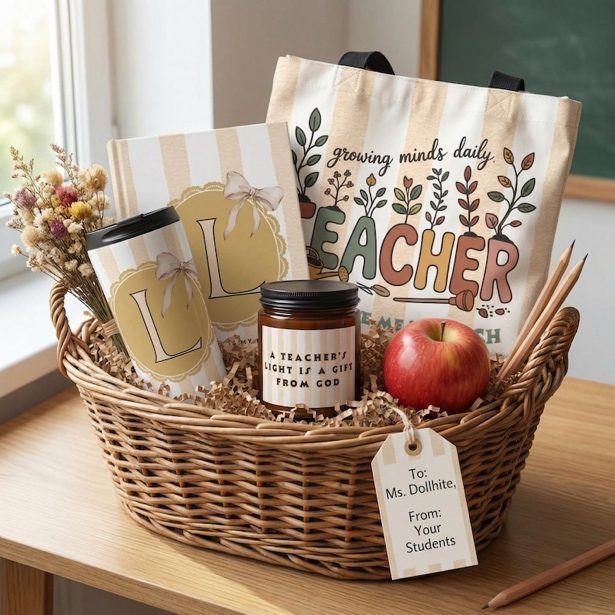
And because they tend to be bought for occasions—birthdays, holidays, housewarmings, teacher gifts, coworker gifts—they can come with built-in demand spikes throughout the year.
The “Underrated POD Categories” list (and why they work)
Below are categories that consistently punch above their weight when paired with the right niche and aesthetic.
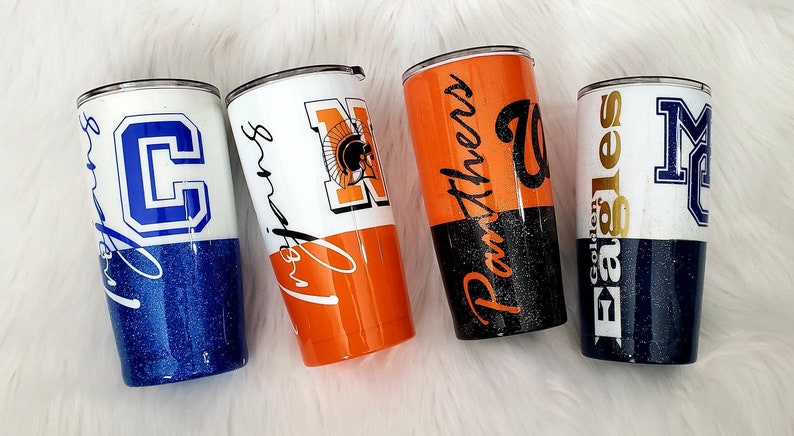
1) Drinkware that feels like a ritual
People don’t just buy mugs and tumblers for beverages. They buy them for identity + routine.
Why it sells:
- daily use = high perceived value
- easy to personalize (names, roles, “team” language)
- perfect for gifting because it’s “useful” and “fun”
Best niches:
teachers, nurses, pet parents, book lovers, fandom-adjacent quotes, “cozy lifestyle.”
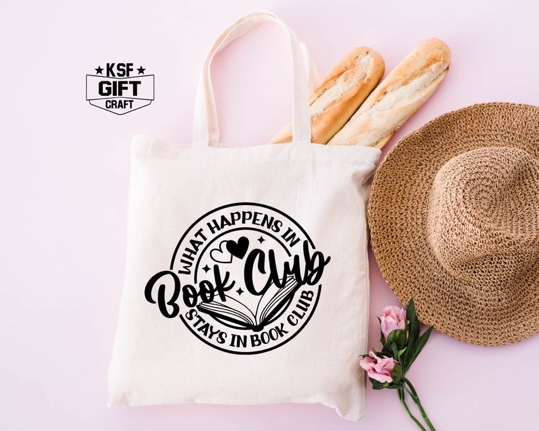
2) Tote bags and carryalls (aesthetic + practical)
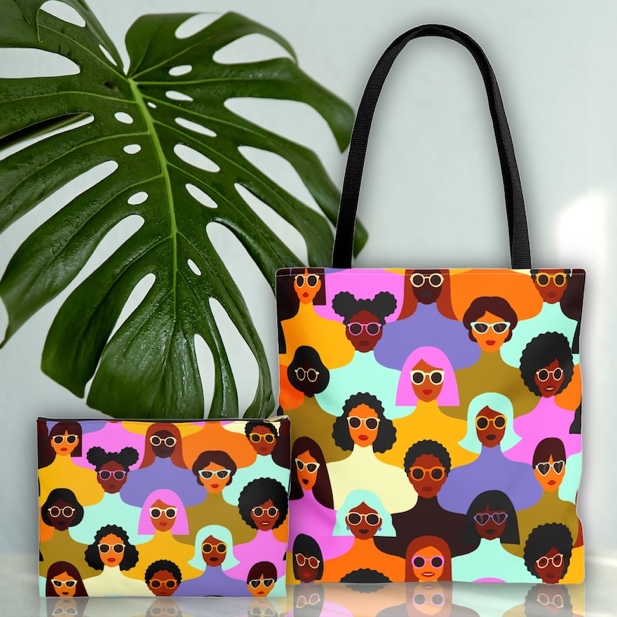
Totes aren’t just bags; they’re billboards that don’t require sizing.
Why it sells:
- no fit issues
- highly visible in photos
- great for niche signaling (“I’m one of you”)
Best niches:
farmers market vibe, librarians, students, moms, beach/lake life, book clubs, hobby communities.
3) Stickers (small price, big personality)
Stickers are one of the best “impulse + repeat purchase” products in creative commerce.
Why it sells:
- low cost feels easy
- buyers often purchase multiples
- perfect for micro-niches and inside jokes
- ideal for bundles and add-ons
Best niches:
hobbies, jobs, fandom-adjacent humor, pets, planners, laptop culture, water bottle culture.
4) Wall art and posters (the fastest way to sell “aesthetic”)
If someone is shopping for decor, they’re buying mood, not function.
Why it sells:
- aesthetic-first purchase
- very niche-friendly
- simple designs can look premium when styled well
Best niches:
minimalist quotes, nursery decor, retro kitchen, cottagecore, dark academia, travel nostalgia, hobby rooms.
5) Pillows and soft home decor (comfort products)
Pillows are “cozy identity.” They’re not just decor—they’re vibe anchors.
Why it sells:
- cozy vibe sells year-round
- easy to match aesthetics
- good for couples, families, and housewarming
Best niches:
homebody lifestyle, holiday living, pet household humor, cabin/lake, new home gifts.
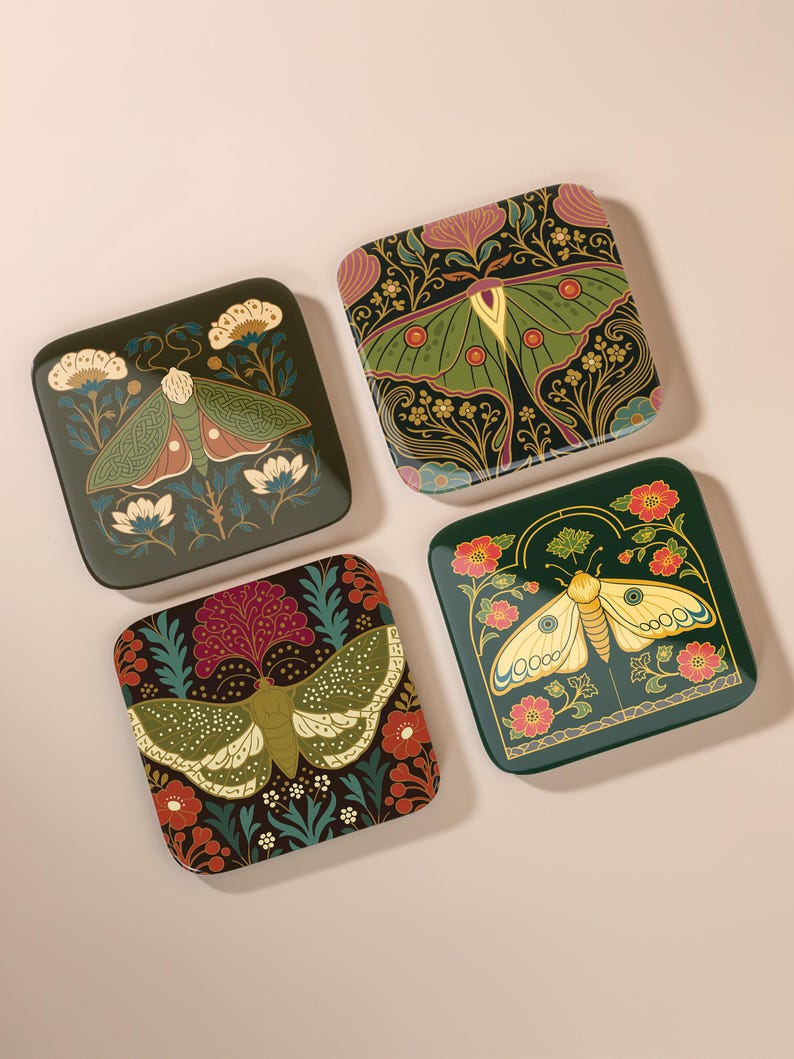
6) Kitchen + home “small wins”
This is the sleeper lane: items that live in everyday spaces where people love personalization.
Why it sells:
- kitchen/home purchases feel “safe”
- giftable for housewarmings and weddings
- aesthetics matter more than brand
Best niches:
new home, couples, grandparents, cooking humor, retro kitchens, cottagecore.
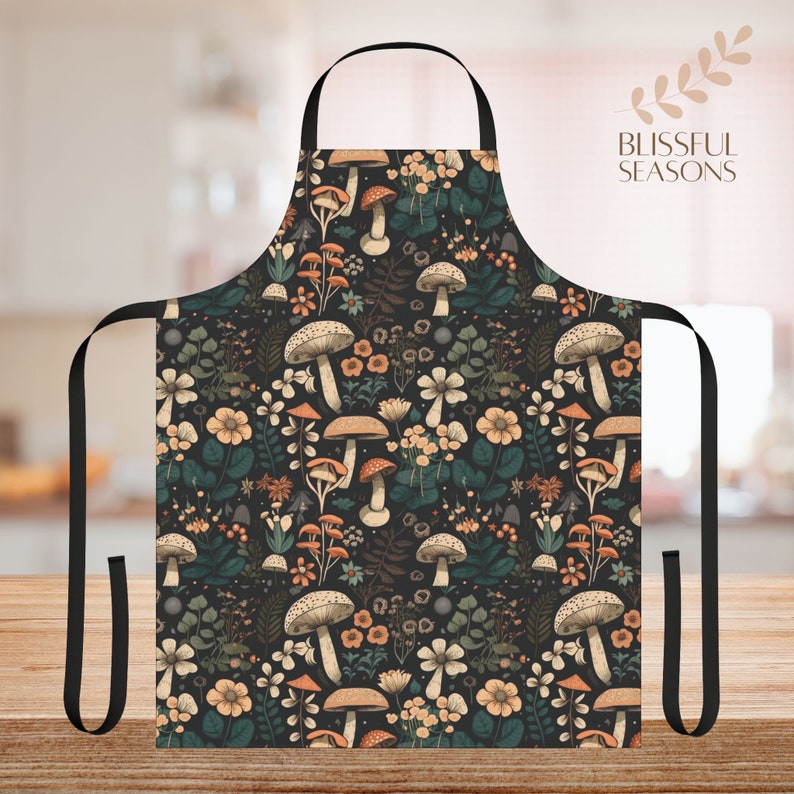
(Depending on provider, this can include things like towels, aprons, cutting boards, etc.—but even without getting specific, the concept is powerful: home goods = identity + gifting.)
7) Stationery-adjacent products (the “habit” market)
Anything tied to routine has repeat purchase potential.
Why it sells:
- habit = attachment
- routine products create brand loyalty
- perfect for aesthetic niches
Best niches:
students, journaling communities, planners, ADHD-friendly routines, wellness, gratitude, productivity.
8) Kids + family-friendly items (the “safe gift” category)
If it feels cute, safe, and easy to choose, it becomes a default gift.
Why it sells:
- parents/grandparents love safe choices
- gifting cycles are constant
- simple designs can win if they’re warm and readable
Best niches:
new baby, toddlers, birthdays, family roles, holidays.
The real trick: match product category to buying mood
Here’s a simple way to avoid “random product” syndrome:
Buying mood #1: “I need a gift”
Best categories: drinkware, totes, stickers, pillows, small home goods, wall art.
Buying mood #2: “I want something that looks good”
Best categories: wall art, totes, stickers, home decor, minimalist drinkware.
Buying mood #3: “I want to signal my identity”
Best categories: apparel, hats, totes, stickers, accessories.
Buying mood #4: “I want to improve my routine”
Best categories: drinkware, stationery-adjacent, home organization vibe products.
When you match design style to buying mood, conversion gets easier.
How to pick your first non-shirt category (without overwhelm)
Don’t try to do everything at once.
Pick one category using this quick filter:
- No sizing required (easier fulfillment + fewer buyer questions)
- Easy to photograph/mockup well
- Works in your niche (the audience actually uses it)
- Can support variations (same design family, multiple versions)
That’s why categories like totes, stickers, and drinkware are such strong “first expansions.”
Use categories to build collections, not one-offs
The fastest way to make POD feel like a business is to stop making one-off products and start making collections.
Example collection logic (generic on purpose):
- one niche
- one aesthetic
- 10 designs
- 3 products each (ex: tote + sticker + mug)
You just turned 10 designs into 30 listings without inventing 30 new ideas.
That’s how you scale while staying sane.
Final thought: the future of POD is “catalog thinking”
The creators who win long-term don’t win because they found one viral shirt.
They win because they build a catalog that matches:
- a niche audience
- a consistent aesthetic
- a set of products that fit the buyer’s life
- and a workflow they can actually maintain
If you’re ready to move beyond shirts, the opportunity isn’t just “more products.”
It’s a broader, more giftable, more repeatable business model—built from categories that many creators still ignore.