The New POD Map: Providers, Marketplaces, and What’s Actually Possible Now
For a long time, a lot of creators treated Print on Demand like a single-lane road: pick one platform, learn its quirks, and live with its limitations.
That world is gone.
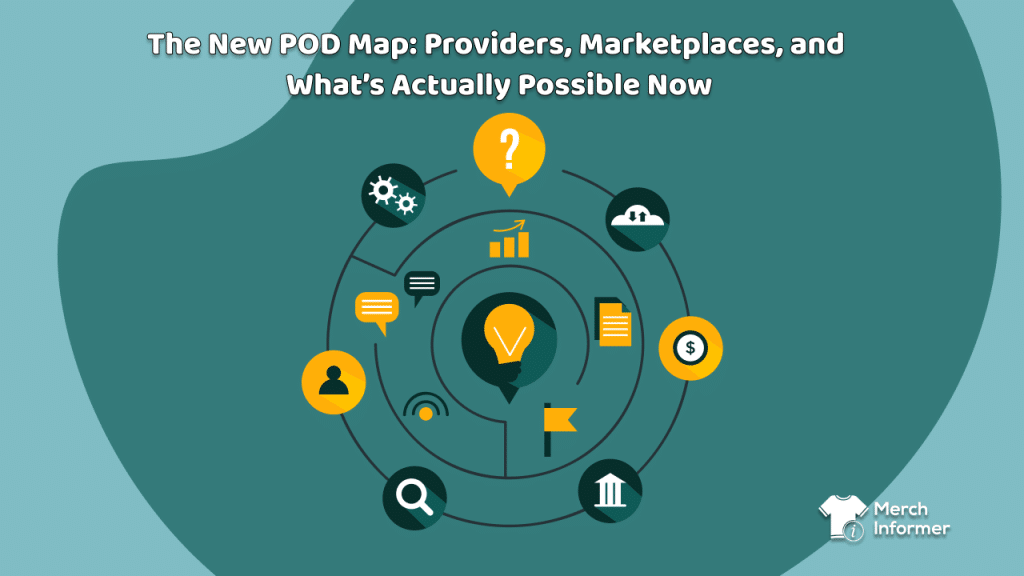
Today’s POD landscape looks less like one road and more like a map of connected highways—providers, marketplaces, and storefronts that can be mixed and matched depending on what you’re trying to build. And when you pair that bigger ecosystem with a workflow that helps you distribute designs efficiently (like Merch Informer’s single-upload approach), POD stops being “a side hustle with friction” and starts looking like a real, scalable creative business.
This post is your plain-English tour of the modern POD map—what the pieces are, how they connect, and how to think strategically about categories and channels without drowning in tabs.
Step one: understand the three layers of POD
Most confusion happens because people lump everything into “POD platforms,” when there are really three different layers:
1) Marketplaces
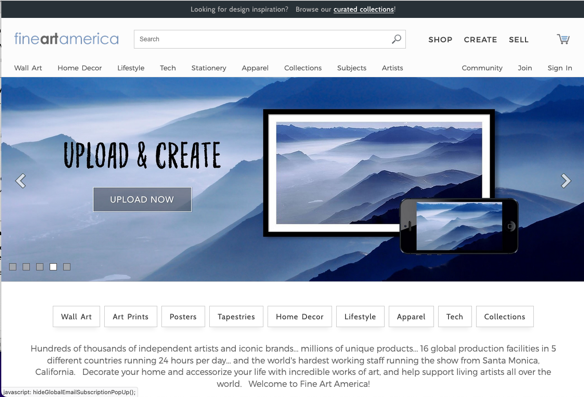
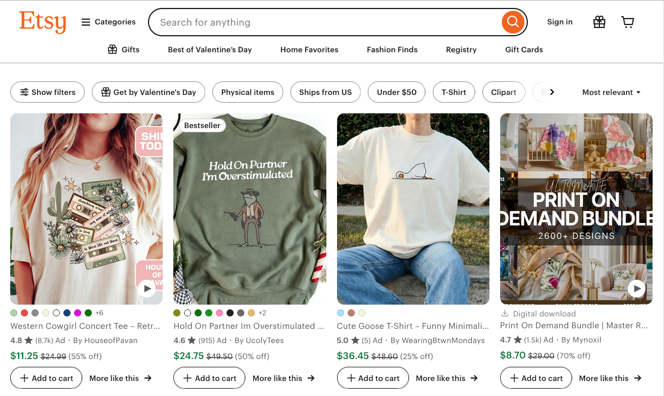
These are places where shoppers already exist.
You list products, and the platform brings the traffic.
Examples (conceptually):
- major marketplaces (think Etsy-style discovery, Amazon-style search)
- niche marketplaces (art-forward, fandom-forward, gift-forward)
Tradeoff: easier discovery, but more rules and less control.
2) Storefronts
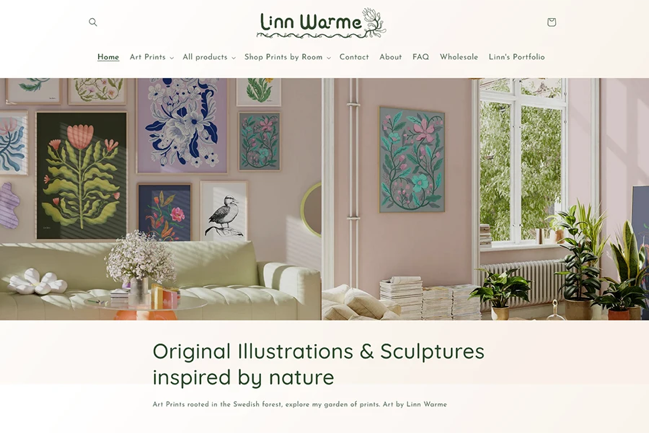
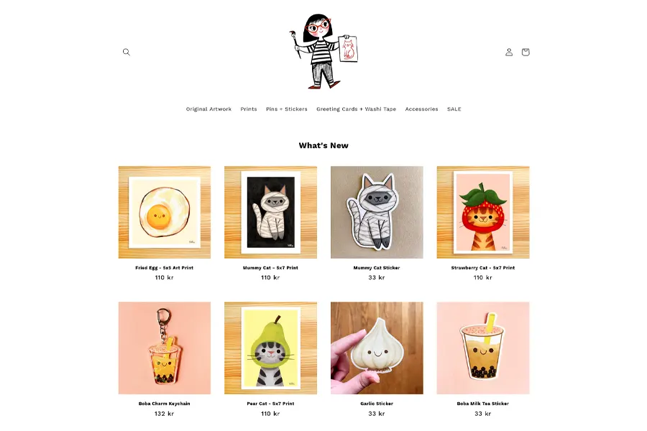
These are “your shop” environments.
You control branding, bundling, and customer relationship—but you’re responsible for traffic.
Examples (conceptually):
- a dedicated store site
- social-first selling setups
- branded landing-page commerce
Tradeoff: more control, but you drive the audience.
3) POD Providers
These are the engines that make the goods.
They print, pack, and ship.
Examples:
- providers that integrate with Etsy/storefronts
- providers that handle product + shipping logistics behind the scenes
Tradeoff: huge product choice, but you need a clean workflow to manage SKUs, variants, and uploads.
Once you see these as separate layers, you can mix them strategically instead of feeling trapped.
The big shift: “POD” isn’t just shirts anymore
In the old mental model, POD = t-shirts. Maybe hoodies. Maybe mugs if you’re feeling brave.
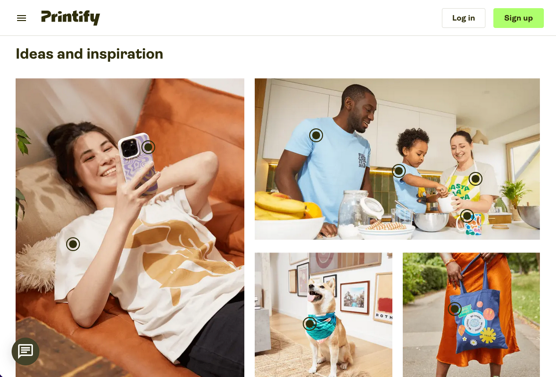
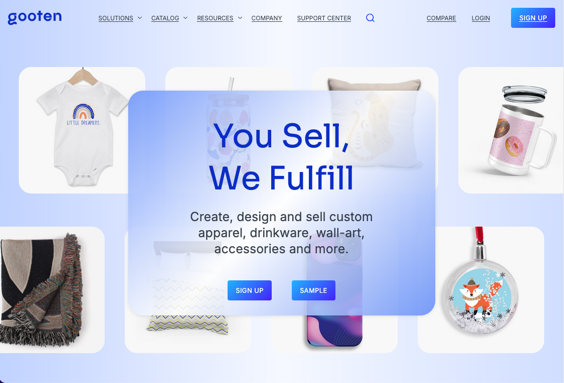
In the new map, POD categories have exploded. Which matters because category choice is half the business:
- some categories are “impulse-friendly” (easy gifts)
- some are “identity products” (worn/used publicly)
- some are “home aesthetic” products (decor, kitchen, office)
- some are “collector” products (niche passion, limited vibes)
If you want stable revenue, you don’t just pick designs—you pick where those designs belong.
A simple category mindset:
- Apparel = identity + tribe
- Home goods = lifestyle + gifting
- Accessories = impulse + repeat purchases
- Stationery-ish products = daily habits + “small joy”
And here’s the key: different platforms favor different categories.
So the “new POD map” is really about matching:
audience → platform → category → design style
What “scale” actually means now (and why creators get stuck)
A lot of people think scale means “more designs.”
Often, scale means:
- the same design applied across multiple products/categories
- the same design distributed across multiple channels
- the same niche expressed as a cohesive collection (not random one-offs)
But creators get stuck because the moment you add channels/categories, the admin multiplies:
- uploads
- variants
- titles/descriptions
- tags/keywords
- mockups
- file management
That’s where a system matters.
Because the new POD world rewards people who can move consistently, not just creatively.
The advantage of a single-upload mindset
This is the real reason tools like Merch Informer’s single upload workflow matter: not because it “automates creativity,” but because it reduces the most common POD killer:
friction.
Friction is what turns good ideas into unfinished folders.
A single-upload mindset lets you think like a catalog builder:
- one design becomes a mini-line
- one niche becomes a collection
- one collection becomes a seasonal refresh
- and your workflow doesn’t collapse under the weight of duplication
Even if you only use one channel today, building with “multi-channel readiness” changes how you organize everything—naming, variants, listing language, and collection structure.
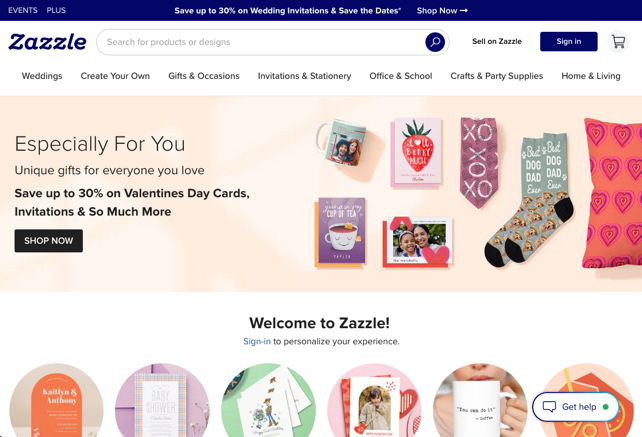
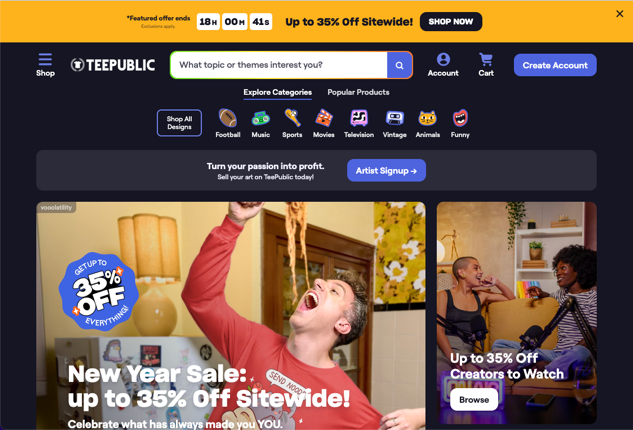
How to think about products in the new POD ecosystem
Here are four practical “routes” creators take in 2026-style POD (choose the one that matches your energy):
Route A: The Marketplace Specialist
One platform, deep mastery.
Great for creators who want focus and consistent optimization.
Win condition: better listings, better keywords, better conversion.
Route B: The Provider Explorer
Multiple categories through one provider.
Great for creators who want to test product types and giftable formats.
Win condition: category fit + strong product selection.
Route C: The Collection Builder
One niche, expressed across multiple products.
Great for creators who want brand cohesion.
Win condition: higher AOV, repeat buyers, recognizable style.
Route D: The Multi-Channel Distributor
Same designs pushed to multiple channels.
Great for creators who want the widest surface area.
Win condition: systems, consistency, and a workflow that prevents burnout.
None of these is “best.” The best is the one you can maintain.
A quick “new POD map” checklist (use this before you commit)
Before you go all-in on a new POD direction, answer:
- Where is the audience already shopping?
- What category matches the buying mood? (gift vs identity vs home)
- Can I make 10 designs in this niche without hating my life?
- Can I turn those 10 designs into a collection (not randomness)?
- Do I have a workflow that can handle uploads/variants without chaos?
If you can answer those, you’re not just “doing POD.”
You’re building something.
Final thought: this is the moment to think bigger than one platform
The new POD map is a huge opportunity because creators aren’t forced into a tiny product box anymore. The ceiling is higher—but so is the complexity.
The creators who win aren’t the ones who chase every platform.
They’re the ones who pick a lane, build a cohesive catalog, and use systems that keep the work from exploding.
That’s the real promise of the modern POD ecosystem:
more options, more leverage, and more ways to turn good designs into a real catalog—without the admin eating you alive.