ONCE MORE FOR THE PEOPLE IN THE BACK: TRADEMARK-AVOIDANT FANDOM
2026 Fandom Moves: Nostalgic TV & Icon Art for Throw Pillows & T-Shirts
A compliance-savvy, aesthetics-first guide for Merch by Amazon creators
Why playing it clean wins (even when others don’t)
- Platform risk: Amazon can remove content and terminate accounts for IP violations; repeat/egregious violations are explicitly called out. If you’re building a storefront that compounds over time, a takedown spree or account loss is the worst-case scenario.
- Legal risk: Merch is commercial use. That means trademarks (logos, brand slogans), copyrights (studio art, stills), and right of publicity (recognizable people) all matter. The safe path is to evoke a show through generic motifs, structures, and phrasing—not to copy protected elements.
- Marketplace reality: Titles may be mentioned for context under “nominative fair use” (identifying something by name), but even permissible uses can still get suppressed by moderation bots. Treat title mentions as “seasoning,” not core ingredients—and never put titles/logos inside the art.
Not legal advice. Use this as a creative/compliance checklist; when in doubt, run a quick USPTO search before you ship.
The quick legal frame (plain English)
- Trademarks protect source identifiers (names, logos, and often famous catchphrases) for specific goods—Class 25 covers clothing. If a phrase is registered for apparel, don’t print it. (“Beam me up, Scotty” and “Winter is Coming” are classic examples registered for clothing—avoid.)
- Copyright protects original art (key art, characters as drawn, studio fonts). Don’t trace or “redraw” logos/characters.
- Right of publicity protects a person’s name/likeness/voice/signature used commercially. Even stylized drawings or distinctive silhouettes can cross the line if they identify a person. Keep human figures generic or skip them.
Nominative fair use (naming a show in text) is limited: only what’s necessary, and no suggestion of sponsorship. Marketplaces may still remove content even if a use might be defensible in court. That’s why we keep references minimal and let the design do the talking.
Your “Green / Yellow / Red” decision light
- GREEN (generally safe):
- Title-free art built from generic, everyday motifs (sofa, coffee mug, flashlight beams, cassette tape, ringed planet, pine trees).
- Paraphrases and genre descriptors that aren’t famous quotes or brand slogans.
- Non-proprietary shapes and typography (no studio wordmarks).
- YELLOW (check first):
- Catchphrases—even if they feel generic—often have registrations for clothing. Always run a USPTO search for Class 25. USPTO
- Silhouettes that might read as a specific actor/character (hair shape, hat, pose).
- RED (skip):
- Logos, wordmarks, studio fonts.
- Registered catchphrases on apparel (e.g., “BEAM ME UP, SCOTTY,” “WINTER IS COMING,” “THIS IS THE WAY,” “NO SOUP FOR YOU!”).
- Nontraditional marks like sound marks (yes, “D’OH!” is registered as a sound).
Show-specific idea boards (design first, legally boring)
We’ll call out specific series to demonstrate what to do and what to avoid. Use titles in your internal planning and possibly in long-form blog copy; keep them out of the art and minimize in listings.
1) Star Trek (classic & modern space exploration)
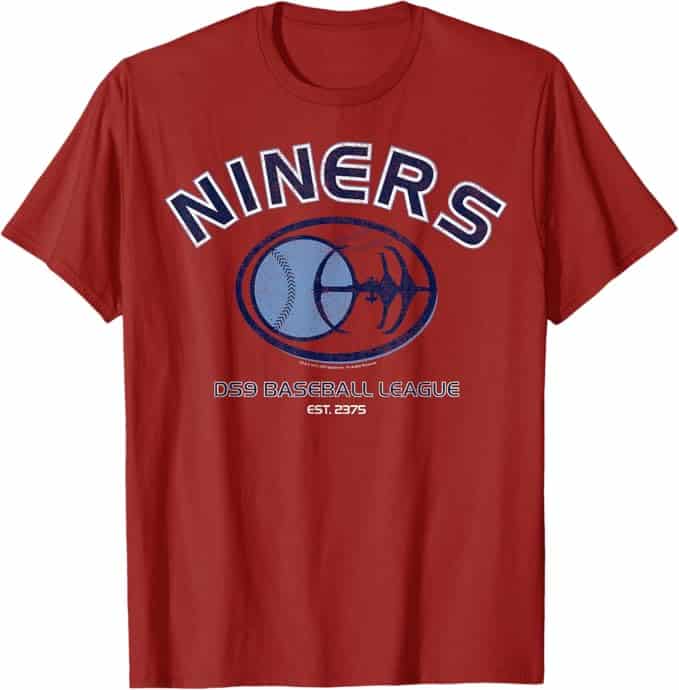
- Avoid in art/text: registered phrases like “BEAM ME UP, SCOTTY” and “TO BOLDLY GO…”—they’re filed for apparel.
- Design OK: orbital arcs, star grids, transporter-style dotted “sparkles,” generic control-panel sliders, concentric “warp” rings (your own geometry).
- Copy OK (generic): “Signal locked. Energize.” / “Away Team, Standby.” (not quotes; common sci-fi lingo).
- Pillow layout: Poster-style panel of concentric rings with a tiny “Navigation Dept.” label.
2) The X-Files (’90s paranormal procedural)
- Avoid: the famous “I want to believe” line; it’s been widely used/licensed over the years—don’t assume it’s free just because you saw a poster. (Always check for active filings/licensing.)
- Design OK: crossed flashlight beams that form an X; pine ridge horizon; file-tab labels; star map dots.
- Copy OK (generic): “Unknown Phenomena Division” / “Trust the Evidence.”
3) Friends (NYC ensemble)
- Caution: quotes like “We were on a break!” and “How you doin’?” are iconic and often licensed on official apparel; if you’re tempted, search Class 25 first. (Government IP blog posts have discussed these catchphrases; status can change—verify in USPTO.)
- Design OK: orange sofa silhouette, coffee steam curls, doodled door-frame shape (change proportions), umbrellas, taxi roof light icon.
- Copy OK (generic): “Apartment • Roommates • Late-Night Coffee” / “Central Night Owls” (use a made-up cafe name, not the real one).
4) Seinfeld (NY absurdist sitcom)
- Avoid: “NO SOUP FOR YOU!” is a registered mark tied to food brands and licensed apparel—do not print.
- Design OK: diner order checks, pretzel shapes, cereal box blocks; a steaming cup with “NEXT!” in neutral type (no quote).
- Copy OK (generic): “Diner Regular—Booth 3” / “Late-Night Snack Committee.”
5) The Office (US mockumentary)
- Avoid: company name/logo, show logo, exact Dundie trophy; they’re policed and licensed.
- Design OK: stapler-in-gel icon (your own drawing), conference-room easel, paperclips, yellow legal-pad rules.
- Copy OK (generic): “Conference Room, 3PM” / “World’s Best (Self-Awarded)”—steer clear of exact mug lines.
6) Buffy the Vampire Slayer (’90s supernatural)
- Avoid: show logo; character names in a telling cluster; exact place names.
- Design OK: wooden stake glyph, moon + library stacks, invented Latin-ish sigils you draw from scratch.
- Copy OK: “Slay the Monster. Save the Night.” (generic empowerment; not a quote).
7) The Sopranos (Jersey crime drama)
- Avoid: club/business names and distinctive iconography from the show; these are actively licensed.
- Design OK: turnpike gantry silhouette, motel neon tubing (generic), chess knight, vinyl record glyph.
- Copy OK: “Garden State Night Shift” / “Exit [Fictional Number]—Next Right.”
8) Twin Peaks (PNW mystery)
- Avoid: real diner or official names/logos; precise chevron proportions that scream the set.
- Design OK: Douglas fir cones, cherry pie slice tile, altered-proportion zig-zag, vintage camera diagram.
- Copy OK: “Dam Fine Coffee” becomes “Damn Good Coffee” in culture, but that’s walking close. Safer: “Cherry Pie • Strong Coffee • Small-Town Secrets.”
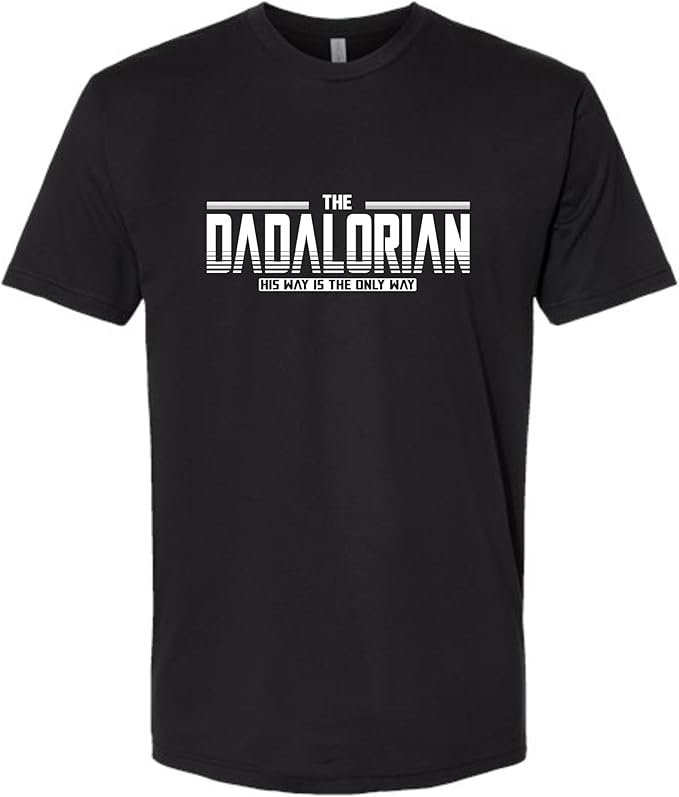
9) The Mandalorian / Star Wars TV
- Avoid: “THIS IS THE WAY” is filed for clothing; also avoid armor silhouettes or ship likenesses.
- Design OK: ringed planet + lone rider silhouette at long distance (generic), starburst coins, salvage-guild badge with neutral text.
- Copy OK: “Outer Rim Repair Co.” / “Freight & Salvage Guild.”
10) Family Matters (Urkel)
- “Did I do that?” is widely used culturally. As of this writing, we didn’t locate a live federal registration in Class 25 for that exact phrase; however, it appears on licensed products and could be enforced via other rights (copyrighted scripts, licensing programs, or new filings). Treat this as YELLOW—search USPTO immediately before use and expect marketplace enforcement even absent a registration.
Catchphrase quick list (examples)
Clearly avoid (registered / heavily policed on apparel):
- “BEAM ME UP, SCOTTY” — registered; clothing covered.
- “WINTER IS COMING” — registered; clothing covered.
- “THIS IS THE WAY” — filed/registered for clothing.
- “NO SOUP FOR YOU!” — registered.
- “D’OH!” — registered sound mark (don’t print or mimic).
Caution / verify (iconic but status can shift):
- “We were on a break!” (Friends) — often licensed; run a search before you try any version.
- Any newer streaming-era quotes—studios are filing faster than they used to. Check USPTO, Class 25.
Safer alternatives (paraphrase the idea, not the words):
- “Beam me up…” → “Signal locked. Energize.”
- “Winter is coming.” → “Snow’s on the way.”
- “We were on a break!” → “We paused. Briefly.”
Pillows vs. T-shirts: make the medium your ally
Throw Pillows (think “poster for the couch”)
- Use framed panels with generous margins.
- Great formats: toolkit grids (e.g., cassette, flashlight, compass), gig-poster stacks (title → subheads → tiny date line), badge coins (sofa, coffee, umbrella).
- Add subtle paper or linen grain (6–12% opacity).
T-Shirts (identity badges for fans)
- Keep one clear hero (icon/badge) + one short line.
- Prepare light/dark variants for contrast.
- Avoid micro text below ~18–22 pt at print size.
Ten design prompts you can ship this week
- Crossed flashlights under a star field; tiny label: “Unknown Phenomena Division.”
- Orange sofa coin + three coffee steam curls; text stack: “Apartment • Roommates • Late-Night Coffee.”
- Warp rings concentric with subtle grain and the word “Energize.”
- Legal-pad ruled texture with a doodled paperclip + “Conference Room, 3PM.”
- Cherry pie tiles with a zig-zag floor motif (altered proportions); “Open Late.”
- Ringed planet crest reading “Freight & Salvage Guild.”
- Turnpike gantry silhouette; badge “Exit 13—Next Right” (fictional).
- Stake + moon icon; “Slay the monster. Save the night.”
- Arcade joystick + cassette; “Mixtape Club.”
- Pine ridge + “Night Hike Society.”
All of these are title-free art; a fan knows the vibe instantly.
A note on fairness (and frustration)
It is maddening to watch obviously infringing uploads rack up sales. But it’s a matter of when, not if, enforcement lands—DMCA sweeps, rights-holder reports, or platform reviews. Amazon explicitly states it may suspend or terminate creators for policy violations; don’t risk years of work for a fast buck. Build a catalog that celebrates the shows you love and survives the next cleanup wave.
Final word: show your fandom, keep your account
- Lead with icon systems, era palettes, and layout logic fans recognize.
- Use paraphrases and generic labels rather than famous quotes.
- Keep titles out of the art; if you mention them in listings at all, keep it factual and minimal.
- Run a quick USPTO check before publishing any text. It takes minutes and saves grief.